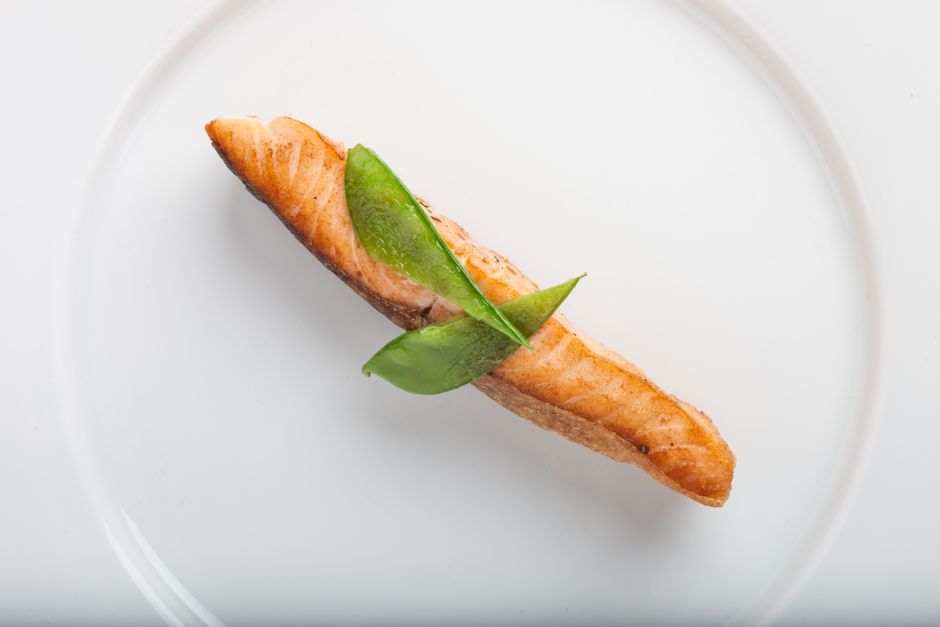
How to Air Fry Turkey Breast (boneless)
Source: USDA food safety data + manufacturer guidelines · USDA safe temp: 165°F
AirFryerCharts · Compiled & reviewed ·
Avoid these 3 mistakes
The difference between crispy and soggy
See the 3 mistakes →
Step-by-step
- Preheat the air fryer to 380°F for 3 minutes. A hot basket starts browning the skin on contact; a cold start lets the breast slowly sweat and the skin stays rubbery.
- Brine a 1.5–2.5-pound boneless turkey breast for 4–8 hours in 1 quart of water with ¼ cup of kosher salt, then rinse and pat completely dry. The brine is the single biggest upgrade for lean turkey — it seasons to the bone and adds a real moisture buffer.
- Loosen the skin with your fingers and rub 2 tablespoons of softened herb butter directly onto the meat underneath, then pat the skin dry again. The under-skin fat bastes the lean breast from the inside as it renders.
- Place the breast skin-side up in the center of the basket, away from the walls so the air can circulate around all sides. Keep the skin exposed to the top heat for crisping.
- Air fry at 380°F for 25–30 minutes. There is no need to flip; the circulating hot air browns the skin and cooks the meat evenly from all sides.
- Probe the thickest part of the breast starting at the 22-minute mark. Pull at 162–163°F so carryover heat carries it to the USDA-safe 165°F during a 10-minute rest, then carve into slices.
Air fryer turkey breast is the small-scale holiday roast that solves the eternal Thanksgiving problem: cooking a turkey for two without committing to a 20-pound bird or settling for dry, reheated deli meat. The forced convection browns the skin into a golden, crackling shell while the lean meat underneath cooks through evenly, and a brine plus an under-skin layer of herb butter gives the lean breast the moisture buffer it desperately needs. In under 30 minutes you get a properly roasted turkey breast — crisp skin, juicy slices, real carving-board drama — sized for a small household, with leftovers that shred cleanly for sandwiches.
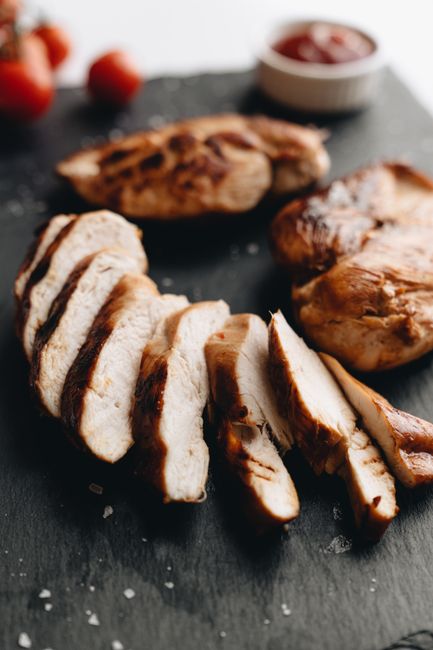
Why 380°F and 25–30 Minutes?
380°F (190°C) is the right temperature for a boneless turkey breast because it is hot enough to brown the skin and cook the thick meat through in the time the center reaches the USDA-safe 165°F, but not so hot that the lean exterior dries out chasing the safe temperature. At 400°F the outside overcooks before the inside is safe; at 350°F the roast spends so long in the heat that it sheds juice steadily. The 25–30 minute window covers a 1.5–2.5-pound boneless breast; probe the thickest part to know for sure.
Pro tips
- Brine the breast for 4–8 hours in 1 quart water + ¼ cup kosher salt — turkey is lean and the brine buys a critical moisture buffer before it dries
- Loosen the skin and rub herb butter directly on the meat underneath — the fat bastes the lean breast from the inside as it cooks
- Pat the skin bone-dry before cooking so it crisps instead of steaming into rubber
- Pull at 162–163°F and let carryover heat carry it to the USDA-safe 165°F during the 10-minute rest
- Rest the roast loosely tented for 10 minutes so the juices redistribute back into the meat instead of flooding the board
How to Tell When It's Done
A boneless turkey breast is done when the thickest part reads 165°F (74°C) on a quick-read thermometer — the USDA safe minimum for poultry, which leaves the meat juicy and fully opaque with no translucence. Pull at 162–163°F and let carryover heat carry it to 165°F during the 10-minute rest. The skin should be deep golden and crisp, and the juices should run clear, not pink. Turkey is lean, so there is zero reward and real penalty for going past 165°F.
Common mistakes
- Skipping the brine. Turkey is extremely lean; a 4–8 hour brine adds the moisture buffer that separates a juicy roast from a dry one.
- Cooking past the USDA-safe 165°F. Lean turkey has almost no margin past the safe minimum; pull at 162–163°F and let carryover finish the job during the rest.
- Rubbing butter on top of the skin instead of under it. Greasing the surface prevents crisping; loosen the skin and rub the fat directly on the meat underneath.
- Carving without resting. Cutting into a hot breast sends the juices onto the board; rest 10 minutes loosely tented so the moisture reabsorbs.
Serving Suggestions
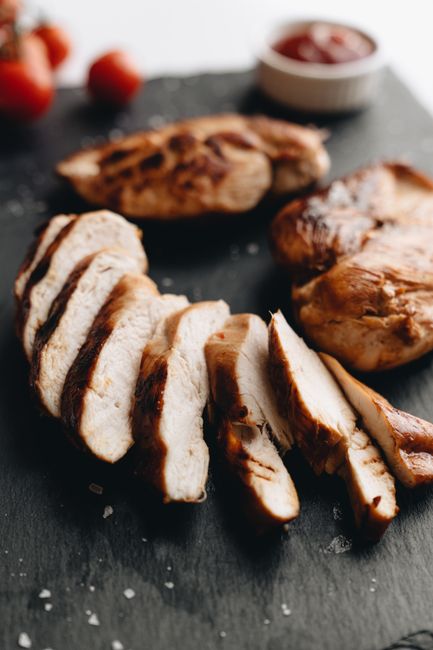
Rest the breast loosely tented for 10 minutes so the juices settle and the skin stays crisp, then carve it across the grain into ¼-inch slices. Serve with gravy, cranberry sauce, and the classic sides — mashed potatoes, green beans, stuffing. Leftovers hold for 4 days refrigerated and make excellent sandwiches or salads.
Pairs well with: Potato Wedges, Green Beans
Times and temperatures verified against USDA FSIS safe minimum internal temperatures and manufacturer cooking charts (Ninja, Cosori, Instant Pot Vortex). Every air fryer runs slightly hot or cool — treat these as starting points and adjust ±2 minutes to taste.
Turkey Breast (boneless) air fryer FAQ
Should I brine a turkey breast before air frying?
Yes, for 4–8 hours. Dissolve ¼ cup of kosher salt in 1 quart of cold water, soak the breast, then rinse and pat dry. Turkey is extremely lean and has almost no moisture buffer, so a brine is what separates a juicy roast from a dry one. If you skip the wet brine, dry-brine instead: salt heavily and leave the breast uncovered in the fridge for 12–24 hours.
How do I get crispy skin on an air fryer turkey breast?
Three steps. Pat the skin completely dry after brining — surface moisture steams it into rubber. Rub herb butter under the skin, not on it, so the fat bastes the meat without greasing the surface. And cook at 380°F so the dry circulating air dehydrates the skin into a crisp shell while the meat cooks through.
Why is my air fryer turkey breast dry?
Two causes. You cooked it past the USDA-safe 165°F — pull the moment the thickest part reads 165°F, because lean turkey has almost no margin past that. Or you skipped the brine: turkey is so lean that without a salt brine to add a moisture buffer, it dries out before the center is safe. Brine, pull at 162–163°F for carryover, and rest 10 minutes.
Can I cook a whole turkey in the air fryer?
Only a very small one. Most basket-style air fryers fit a bird up to 5 pounds, which is a young or "mini" turkey. A standard 12–20-pound holiday bird will not fit. For a small bird, use the whole-chicken method: truss, cook breast-side down first at 380°F, and probe the thigh for 165°F. For anything larger, use the oven.