
How to Air Fry Salmon Fillet
Source: USDA food safety data + manufacturer guidelines · USDA safe temp: 145°F
AirFryerCharts · Compiled & reviewed ·
Avoid these 3 mistakes
The difference between crispy and soggy
See the 3 mistakes →
Step-by-step
- Preheat the air fryer to 400°F for 3 minutes. A screaming-hot basket is what starts blistering the skin the instant the salmon lands — a cold start lets the skin slowly render and turn rubbery.
- Pat a 6 oz skin-on salmon fillet bone-dry on both sides, especially the skin. Surface moisture is the enemy of crisp skin — it turns to steam and prevents the blistering you want.
- Brush the flesh side with 1 teaspoon of oil and season both sides with ¼ teaspoon of salt and a grind of pepper. The oil film carries the seasoning and prevents the flesh from sticking to the basket.
- Place the fillet skin-side down in the center of the basket. Skin-down lets the fat render directly onto the hot mesh, where it shallow-fries the skin into a crackling shell while the air crisps the top.
- Air fry at 400°F for 10–12 minutes. Do not flip — the circulating hot air cooks the top evenly and the skin shields the flesh from the direct heat of the basket, keeping it moist.
- Check at 10 minutes by probing the thickest part — pull at 135°F for a translucent medium center or 145°F for the USDA safe minimum. Rest 2 minutes before serving so the juices redistribute.
Cooking salmon in an air fryer delivers the one thing home cooks struggle with most — a deeply crispy skin while the flesh stays moist and translucent inside, all without smoking up the kitchen from a hot pan. A 6 oz skin-on fillet takes about 10 minutes at 400°F, with the circulating hot air rendering the fat under the skin so it blisters and crisps rather than going rubbery. It is faster, cleaner, and more forgiving than pan-searing, and the concentrated heat means you get restaurant-level browning without flipping the fish or babysitting the stove. The skin becomes a crackling shell, the flesh stays buttery, and cleanup is a wiped basket instead of a greasy pan.

Why 400°F and 10–12 Minutes?
400°F (200°C) is the right temperature for salmon because you need the skin to blister and crisp before the flesh overcooks past the USDA-safe 145°F. The intense, circulating heat renders the fat layer under the skin fast, transforming it from rubbery to crackling while the flesh cooks through evenly. At 375°F the skin never fully crisps and the fish slowly dries; at 425°F the thin edges scorch before the thick center reaches temperature. The 10–12 minute window covers a 6 oz fillet — start checking at 10, because salmon dries out fast past 145°F.
Pro tips
- Start with skin-on fillets and pat the skin bone-dry — a dry skin is the entire formula for the blistered, crackling crust
- Place the fillet skin-side down in a preheated basket so the skin renders and crisps instead of steaming
- Do not flip the salmon — the hot air cooks the top evenly and the skin shields the flesh from the direct heat of the basket
- Pull at 135°F for a translucent, medium center or 145°F for the USDA safe minimum; start checking at 10 minutes
- Brush the flesh with a thin film of oil to prevent sticking and to carry the seasoning to the surface
How to Tell When It's Done
Salmon is done when the skin is blistered, deep golden, and audibly crisp when tapped, the flesh has turned from translucent to opaque pink and flakes easily when twisted with a fork, and the thickest part reads 145°F (63°C) on a quick-read thermometer — the USDA safe minimum. Experienced cooks often prefer to pull at 135°F for a translucent, medium center; this is a personal-preference trade-off against the official safe temperature. Either way, the flesh should look moist, not dry, and the center should flake cleanly rather than resist.
Common mistakes
- Wet salmon skin. Moisture is the enemy of crisp skin — pat the skin thoroughly dry before seasoning, or it steams instead of blisters.
- Overcooking. Salmon dries out fast past 145°F; start checking at the 10-minute mark and remember the fillet keeps cooking slightly after you pull it.
- Adding sweet glazes too early. Sugary marinades burn at air-fryer temps; brush them on only in the last 2 minutes.
- Flipping the fillet. The skin-side-down position is what crisps the skin; flipping breaks the delicate fish and does nothing for the cook.
Serving Suggestions
Serve the salmon skin-side up so the crackling crust stays crisp, and add the finishing touches immediately — a squeeze of lemon, a sprinkle of flaky salt, or a spoonful of a bright sauce like mango salsa or yogurt-dill. It pairs naturally with asparagus or green beans and a starchy side like rice or potatoes. The crisp skin is the prize — eat it first, while it still shatters.
Pairs well with: Asparagus, Green Beans
Times and temperatures verified against USDA FSIS safe minimum internal temperatures and manufacturer cooking charts (Ninja, Cosori, Instant Pot Vortex). Every air fryer runs slightly hot or cool — treat these as starting points and adjust ±2 minutes to taste.
Salmon Fillet air fryer FAQ
How do I get crispy salmon skin in the air fryer?
Three things: start with skin-on fillets, pat the skin bone-dry with a paper towel, and place it skin-side down in a preheated basket. The dry, intense heat renders the fat under the skin so it blisters and crisps instead of steaming. Surface moisture is the single thing that ruins crisp skin, so dry it thoroughly.
Do I need to flip salmon in the air fryer?
No. Place it skin-side down and leave it. The hot air cooks the top evenly and the skin shields the flesh from the direct heat of the basket, which helps it stay moist. Flipping risks breaking the delicate fillet and does nothing for the cooking.
What temperature is salmon done?
USDA safe minimum is 145°F at the thickest part. Experienced cooks often prefer to pull it at 135°F for a translucent, medium center — this is a personal-preference trade-off against the official safe temperature. Either way, start checking at 10 minutes because fillets vary in thickness and salmon dries out fast past 145°F.
Should I use oil, and what about marinades?
A light brush of oil on both skin and flesh prevents sticking and aids browning. If using a sugary marinade or glaze (teriyaki, maple), apply it only in the final 2 minutes so the sugars caramelize instead of burning — added earlier, the sugars scorch at 400°F before the salmon is done.
More Seafood
 400°F
400°F
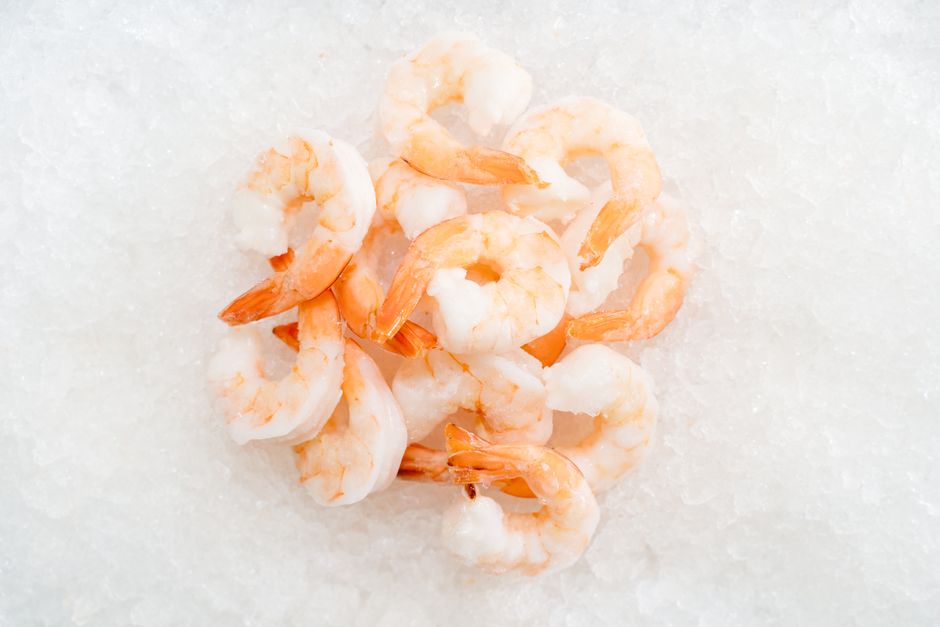
Shrimp (large)
Toss with Old Bay + oil. Curl = done. USDA: cook shrimp to 145°F or until flesh is pearly/opaque.
 400°F
400°F
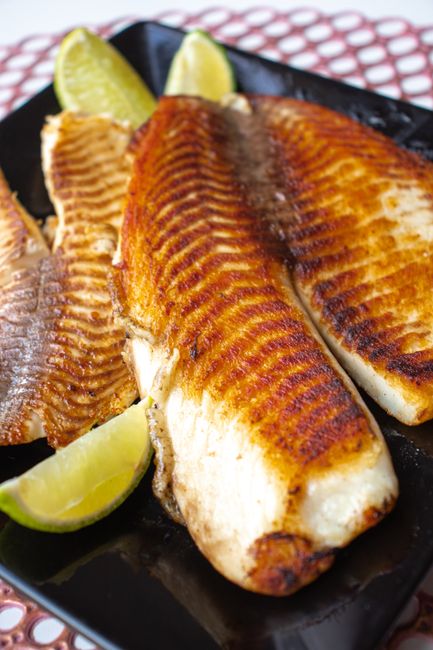
Tilapia Fillet
Mild, flaky white fish. Coat with panko for a crispy crust.
 400°F
400°F
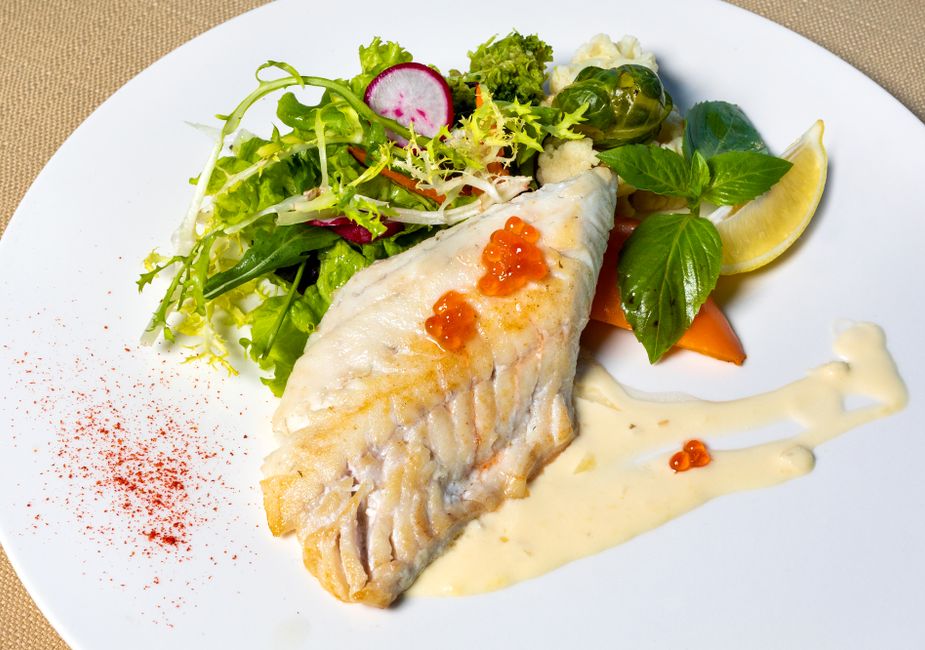
Cod Fillet
Thick, flaky fillets. Breaded for fish-and-chips texture.
Popular across all foods
 400°F
400°F
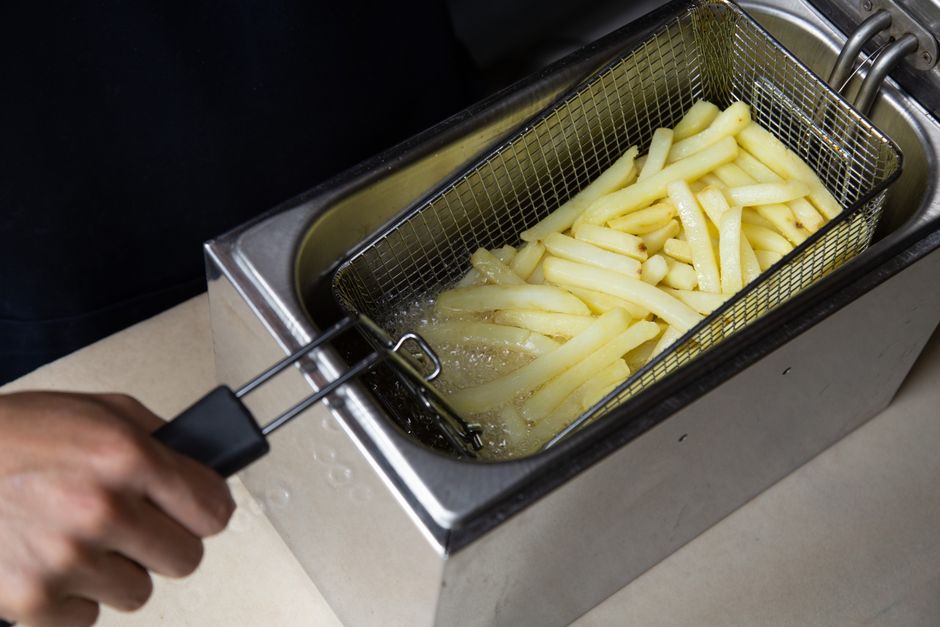
Frozen French Fries
No oil needed — they're pre-fried. The classic air-fryer win.
 400°F
400°F
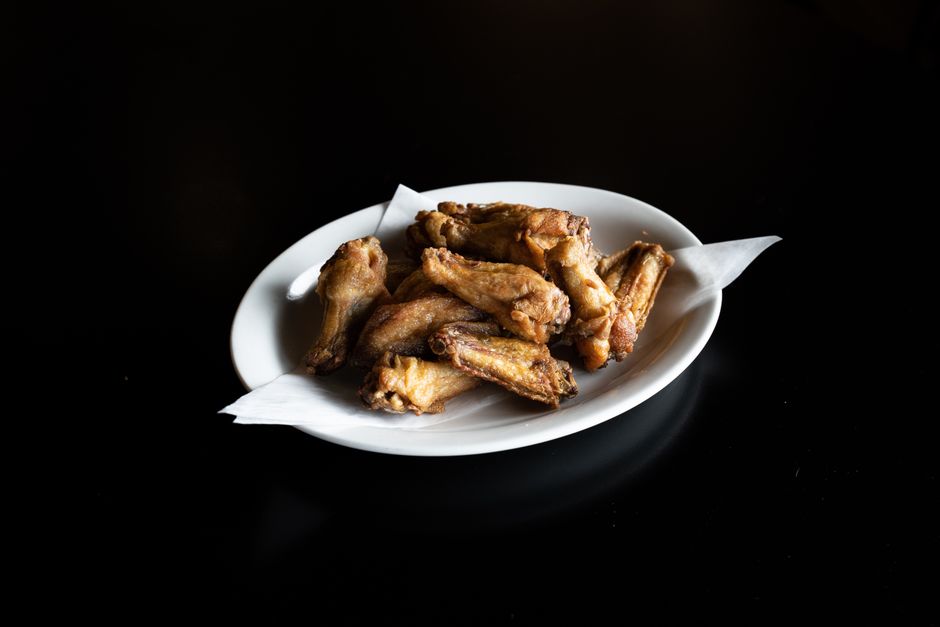
Chicken Wings
Toss with baking powder (1 tsp/lb) for shatter-crisp skin.
 350°F
350°F
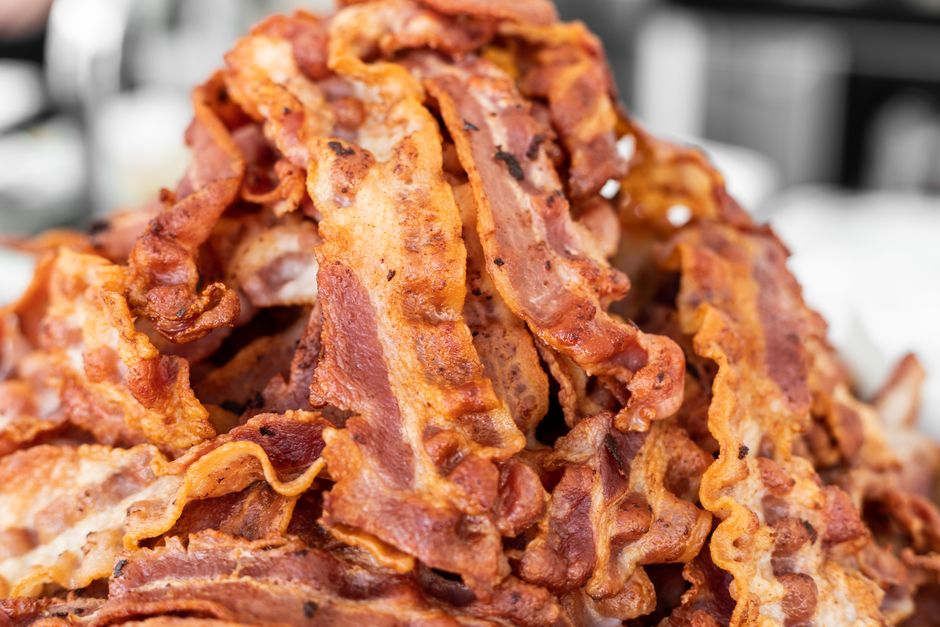
Bacon
Thick-cut needs 2 extra minutes. No splatter, no flipping. Cook until crisp (visually done; 145°F is USDA pork minimum).