
How to Air Fry Frozen French Fries
Source: USDA food safety data + manufacturer guidelines
AirFryerCharts · Compiled & reviewed ·
Avoid these 3 mistakes
The difference between crispy and soggy
See the 3 mistakes →
Step-by-step
- Preheat the air fryer to 400°F for 3 minutes. A screaming-hot basket is what rebuilds the crust the instant the fries land — a cold start lets ice melt into steam and you get soggy sticks.
- Pour frozen fries straight from the bag — do not thaw, do not add oil. They were par-fried at the factory, so the fat is already inside; extra oil makes them greasy and limp.
- Spread into a single layer with the pieces barely touching. A heaped pile traps moisture and the bottom layer boils instead of fries; work in two batches if your basket is small.
- Air fry at 400°F for 12 to 15 minutes, pulling the basket out to shake hard every 4 to 5 minutes. The toss exposes new surfaces to the hot air so every side crisps evenly.
- Check a single fry at 12 minutes — snap it. A loud, clean break with a steamy pale interior means done; a bend means give it 2 to 3 more minutes.
- Dump the fries out immediately onto a plate, salt at once, and serve. Leaving them in the warm basket turns the crisp crust soft as steam has nowhere to escape.
Frozen french fries are the air fryer's origin story — the one food that sold a million baskets. They come pre-fried and flash-frozen at the factory, which means the oil is already baked into them; you add nothing and they still turn out dramatically crispier than a conventional oven can manage. The forced convection strips away surface moisture in minutes, rebuilding that shatter-crisp shell while the potato inside stays fluffy and hot. No preheating an oven for 20 minutes, no pulling out a half-sheet pan, no limp, oil-logged sticks. In 12 to 15 minutes you get fast-food-quality fries straight from the bag, and you can season them the second they leave the basket.

Why 400°F and 12–15 Minutes?
400°F (200°C) is the target for frozen fries, and it is non-negotiable. They need high heat to evaporate the ice crystals clinging to the surface fast enough that the exterior crisps instead of steaming, and to re-fry the oil already in the potato into a crackling crust. Drop below 380°F and the fries slowly dehydrate into leather without ever getting crisp; push to 425°F and the exposed tips scorch black before the centers thaw. The 12 to 15 minute window covers everything from thin shoestrings (pull at 12) to thick steak cuts (give them the full 15).
Pro tips
- Skip the oil entirely — frozen fries are par-fried at the factory, and adding more just makes them greasy
- Shake the basket hard every 4 to 5 minutes; the fries on the bottom crisp while the top ones steam, so rotation gives you even browning
- Sort by thickness before cooking. Shoestrings finish at 12 minutes, steak fries need the full 15
- Salt the second they leave the hot basket. The surface oil is still molten and grabs the salt
- Cook in a single layer with gaps. A heaped basket steams the bottom layer into pale, soggy sticks
How to Tell When It's Done
Fries are done when the exterior is a deep golden brown with a hard, audible crunch when you snap one, and the center yields soft and steamy. Thinner cuts will color faster and feel rigid; thick steak fries should look amber and sound hollow when tapped. There is no internal temperature to chase — this is a color and sound call. If the fries are pale and bendy, they need 2 to 3 more minutes; if the tips are dark brown and the middles are still blonde, the basket was overloaded and they steamed instead of fried.
Common mistakes
- Adding oil to fries that are already par-fried. The factory oil is baked in — extra just makes them greasy and smokes the basket. Cook them completely dry from frozen.
- Overcrowding the basket. Stacked fries trap steam and the pile comes out pale and limp. Keep them in a single layer with space, and run two batches rather than one huge one.
- Skipping the mid-cook shake. Fries touching the basket floor crisp, the ones on top do not. A hard shake every 4 to 5 minutes rotates every surface into the hot air.
- Thawing the fries first. Thawing releases moisture that steams the potato instead of crisping it. Straight from the freezer to the hot basket is the whole point.
Serving Suggestions
Serve immediately — fries lose their crunch within minutes as trapped steam softens the crust. Salt them the instant they leave the basket so it sticks to the hot oil. Plain is honest, but a pinch of garlic powder, smoked paprika, or grated parmesan turns them into something you would pay for. They are the natural wingman for burgers, hot dogs, and sandwiches.
Pairs well with: Hamburger Patties, Hot Dogs
Times and temperatures verified against USDA FSIS safe minimum internal temperatures and manufacturer cooking charts (Ninja, Cosori, Instant Pot Vortex). Every air fryer runs slightly hot or cool — treat these as starting points and adjust ±2 minutes to taste.
Frozen French Fries air fryer FAQ
Do I need to add oil to frozen fries?
No. Commercial frozen fries are par-fried in oil at the factory before they are flash-frozen, so the fat is already locked in. Adding more makes them greasy and heavy, and the excess oil smokes in the basket. Just cook them dry from frozen.
Should I thaw frozen fries before air frying?
Never. Thawing lets the ice crystals melt into the potato, and that surface moisture turns to steam in the basket instead of evaporating — you end up with limp, pale, steamed sticks. Cook them straight from frozen so the exterior crisps before the inside overcooks.
Why are my air fryer fries soggy?
Usually overcrowding. A heaped basket traps steam, and the fries on the bottom boil instead of fry. Cook in a single layer with gaps, shake halfway through, and do at most two layers if your machine has a tall basket. Wet fries straight from a frosty bag also steam — pat frost off if clumped.
Do I need to preheat the air fryer for fries?
Yes, a 3-minute preheat makes a real difference. Fries landing on a 400°F surface immediately start crisping; dropped into a cold basket, they sit in their own condensation and turn out soft. It is the single biggest upgrade for frozen fries.
More Frozen
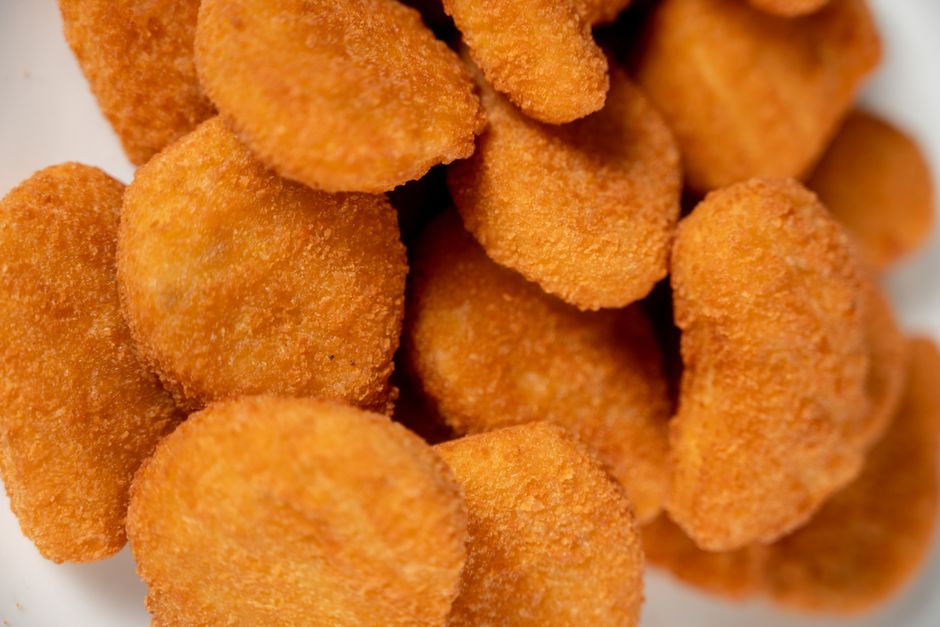 400°F
400°F
Frozen Chicken Nuggets
Better than oven — fast, even, crunchy. USDA: reheat ready-to-eat poultry to 165°F.
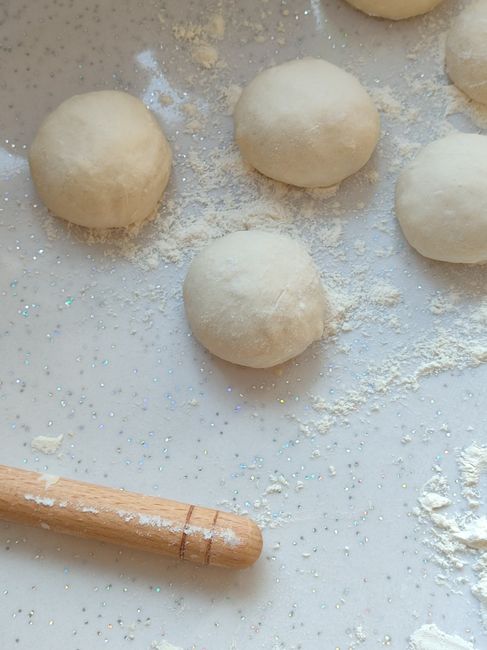 380°F
380°F
Frozen Pizza Rolls
No more exploded rolls. The air fryer's greatest party trick.
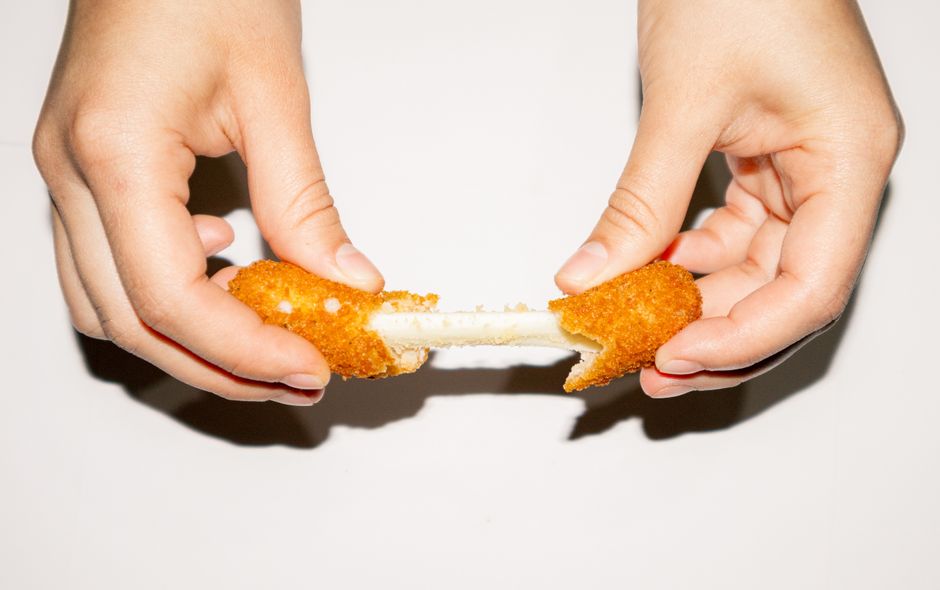 390°F
390°F
Frozen Mozzarella Sticks
Golden crust, molten center, zero blowouts if you watch them.
Popular across all foods
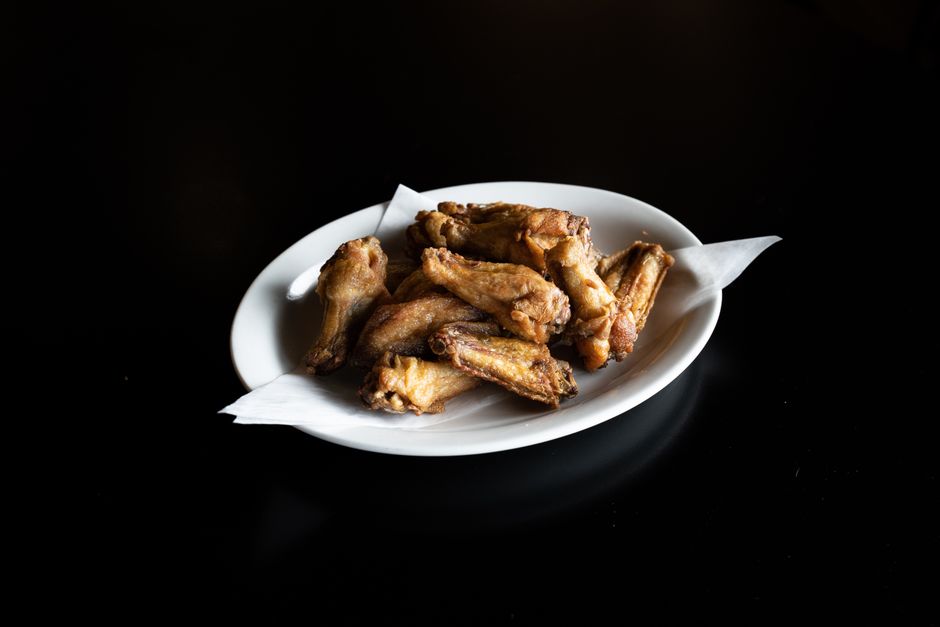 400°F
400°F
Chicken Wings
Toss with baking powder (1 tsp/lb) for shatter-crisp skin.
 400°F
400°F
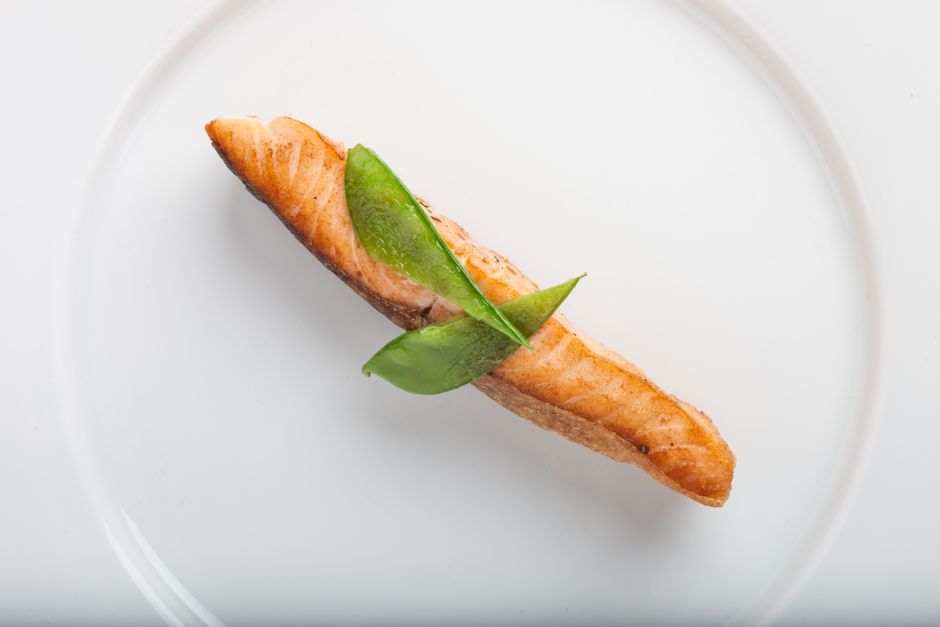
Salmon Fillet
Skin-on, 6 oz fillet. Skin gets irresistibly crispy.
 350°F
350°F
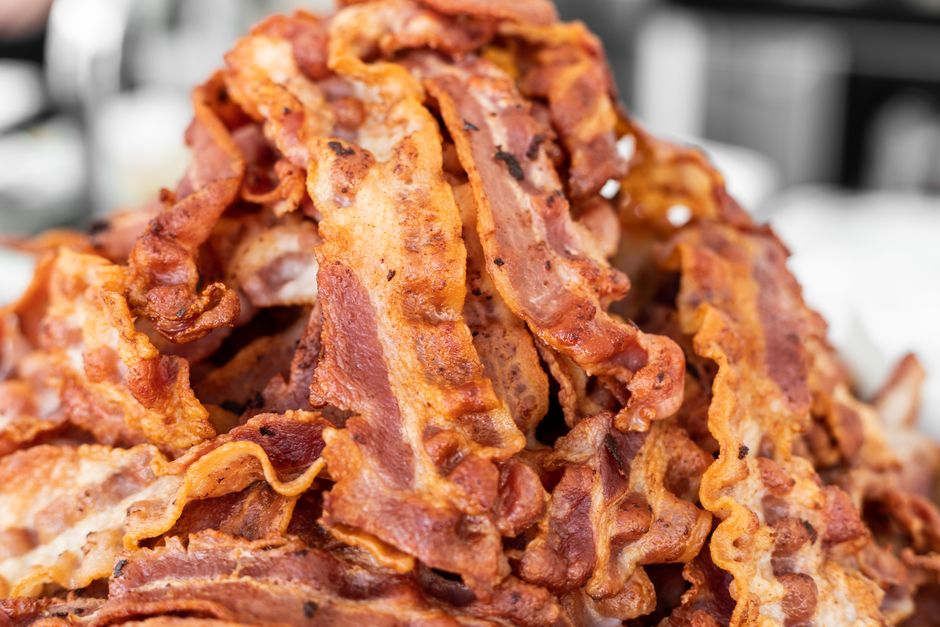
Bacon
Thick-cut needs 2 extra minutes. No splatter, no flipping. Cook until crisp (visually done; 145°F is USDA pork minimum).