How to Air Fry Tilapia Fillet
Source: USDA food safety data + manufacturer guidelines · USDA safe temp: 145°F
AirFryerCharts · Compiled & reviewed ·
Avoid these 3 mistakes
The difference between crispy and soggy
See the 3 mistakes →
Step-by-step
- Preheat the air fryer to 400°F for 3 minutes. A hot basket starts crisping the panko the moment the fillets go in; a cold start leaves the coating pale and soggy.
- Pat 2 tilapia fillets (6–8 ounces each) completely dry. Set up a 3-stage breading station: ¼ cup of flour with salt, 1 beaten egg, and ½ cup of panko with ½ teaspoon of garlic powder.
- Dredge each fillet through the flour, then the egg, then the panko, pressing the crumbs on firmly so they adhere. Firm pressing embeds the panko so it does not fall off into the basket.
- Arrange the fillets in a single layer with none touching and spritz the tops with oil until lightly glossy. The oil film is what lets the dry panko brown — without it the crumbs stay pale.
- Air fry at 400°F for 8–10 minutes. There is no need to flip; the circulating hot air crisps the coating and cooks the thin fillet evenly from all sides.
- Check at 8 minutes — the panko should be deep gold, the fish flaking when twisted with a fork. Confirm 145°F in the thickest part and pull immediately to avoid overcooking.
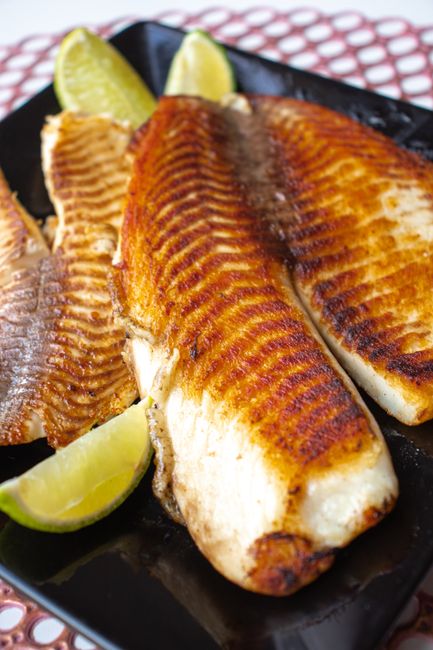
Air fryer tilapia turns a mild, inexpensive white fish into a genuinely crisp, restaurant-quality fillet in under 10 minutes, with a golden panko crust on the outside and a flaky, tender, delicately sweet center. The forced convection is what makes this work: delicate white fish falls apart in a pan and turns soggy under the oven's slower heat, but the air fryer's intense, even circulation crisps the browning and cooks the thin fillet through before it has a chance to dry out. A three-stage breading of flour, egg, and panko builds the shell the soft flesh cannot form on its own, and a light oil spritz turns the crumbs golden. It is fish-and-chips quality from a $4 fillet.
Why 400°F and 8–10 Minutes?
400°F (200°C) is the right temperature for breaded tilapia because the coating needs high heat to brown and crisp in the short window the thin fillet needs to cook through to the USDA-safe 145°F. At 375°F the panko stays pale and powdery while the fish overcooks waiting for color; at 425°F the thin fillet dries out before the crust sets. The 8–10 minute window reflects how fast thin white fish cooks — check at 8 and pull the moment the center flakes.
Pro tips
- Pat the fillets bone-dry before seasoning — surface moisture steams instead of sears and prevents the crust from forming
- A light panko coating is what builds the crisp crust the delicate tilapia cannot form on its own
- Arrange the fillets in a single layer with none overlapping — stacked fish steams and the coating goes soggy
- Spritz the breaded fillets with oil so the dry panko browns instead of staying pale and powdery
- Check at 8 minutes — thin tilapia fillets cook through fast and dry out past the USDA-safe 145°F
How to Tell When It's Done
Tilapia is done when the panko coating is deep golden and crisp, and the fish inside flakes easily when twisted with a fork, with no translucent, rubbery center. The USDA safe minimum is 145°F (63°C), measured with a quick-read thermometer in the thickest part of the fillet. The flesh should be uniformly opaque white and separate cleanly into flakes when probed. Overcooked tilapia turns dry and cottony fast, so pull the moment it flakes rather than chasing the full timer.
Common mistakes
- Overcooking past 145°F. Thin white fish dries out almost instantly past the USDA-safe minimum; pull the moment the center flakes.
- Skipping the oil spritz on breaded fillets. Dry panko will not brown without a film of oil; spritz the tops before cooking.
- Overcrowding the basket. Touching fillets steam and the coating goes soggy; use a single layer with gaps.
- Leaving the fillets wet before breading. Surface moisture prevents the flour-and-egg from adhering; pat them bone-dry first.
Serving Suggestions
Serve immediately while the panko is still crunchy — it softens within minutes as the hot fish releases steam. A squeeze of lemon, a dollop of tartar sauce, or a spoonful of mango salsa all cut the richness. Pile the fillets over rice or alongside fries for a fish-and-chips plate, or break them into chunks over a green salad or into fish tacos.
Pairs well with: Homemade French Fries, Corn on the Cob
Times and temperatures verified against USDA FSIS safe minimum internal temperatures and manufacturer cooking charts (Ninja, Cosori, Instant Pot Vortex). Every air fryer runs slightly hot or cool — treat these as starting points and adjust ±2 minutes to taste.
Tilapia Fillet air fryer FAQ
How do I keep the panko from falling off the tilapia?
Follow the three-stage breading sequence: flour first (it gives the egg something to grip), then egg (fully coated with no dry patches), then panko pressed on firmly with your palm. Let the breaded fillets rest 5 minutes before cooking so the coating sets. Skipping the flour or rushing into the hot basket is why the crumbs slide off.
Can I cook tilapia without breading in the air fryer?
Yes, for a lighter version. Pat the fillets dry, brush with oil, season with salt, pepper, and lemon zest, and air fry at 400°F for 8–10 minutes until the fish flakes and reaches 145°F. You lose the crisp crust, but the seasoning penetrates the mild flesh and the fillet stays tender. Add a sprinkle of paprika for color.
Why is my air fryer tilapia dry?
You overcooked it. Thin white fish like tilapia has almost no margin past the USDA-safe 145°F — pull the moment the center flakes and reads 145°F, not a degree more. Also confirm your fillets are similar thickness; a thin tail end overcooks while a thick center reaches safe, so tuck the thin parts under or trim them.
Do I need to flip tilapia in the air fryer?
Generally no, especially if the fillets are breaded. The circulating hot air crisps the coating and cooks the thin fillet evenly from all sides, and flipping breaded fish risks tearing the crust off. If you are cooking unbreaded fillets and want even browning on both sides, flip once gently at the 5-minute mark.
More Seafood
 400°F
400°F
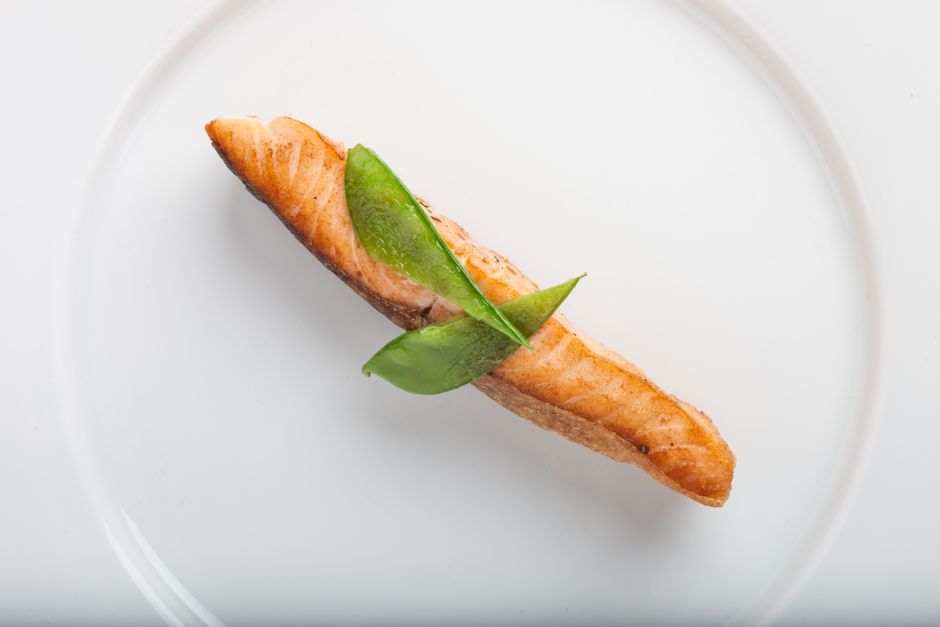
Salmon Fillet
Skin-on, 6 oz fillet. Skin gets irresistibly crispy.
 400°F
400°F
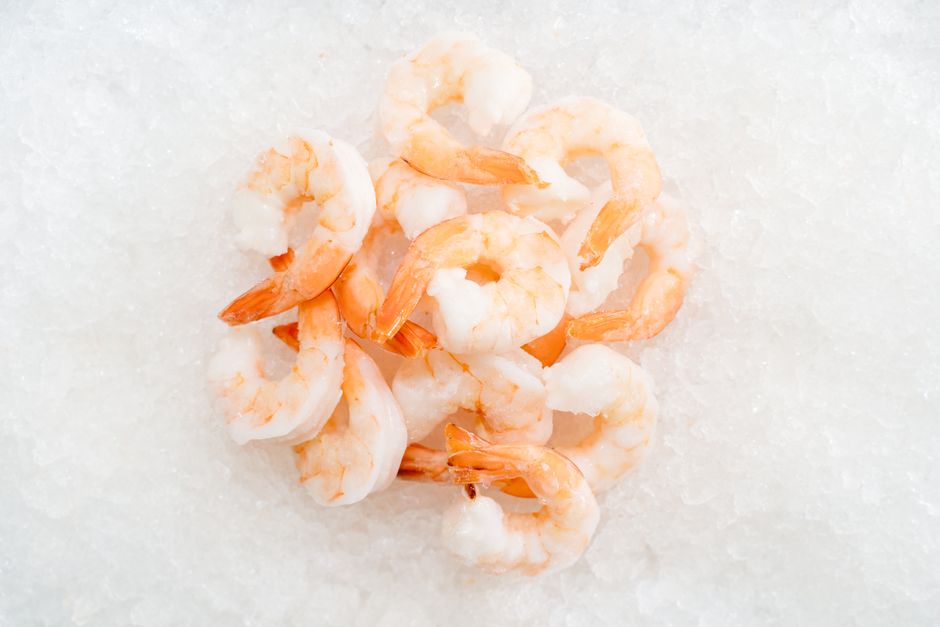
Shrimp (large)
Toss with Old Bay + oil. Curl = done. USDA: cook shrimp to 145°F or until flesh is pearly/opaque.
 400°F
400°F
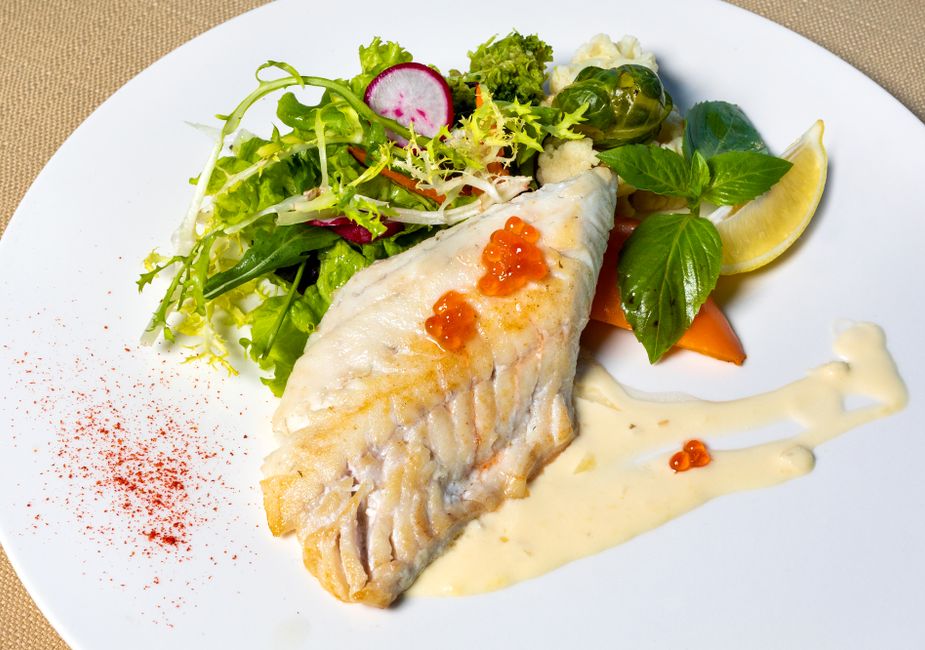
Cod Fillet
Thick, flaky fillets. Breaded for fish-and-chips texture.