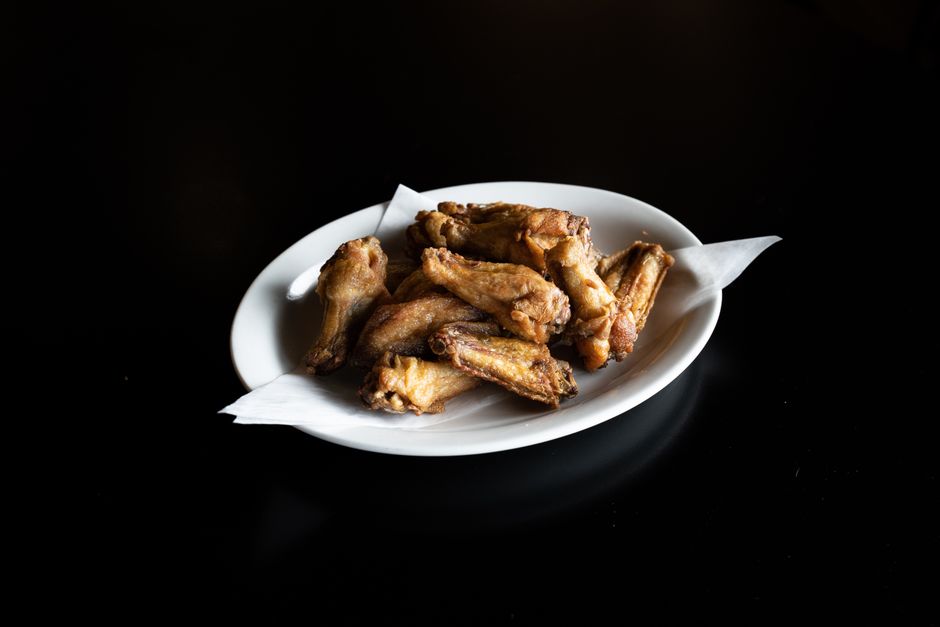
How to Air Fry Shrimp (large)
Source: USDA food safety data + manufacturer guidelines · USDA safe temp: 145°F
AirFryerCharts · Compiled & reviewed ·
Avoid these 3 mistakes
The difference between crispy and soggy
See the 3 mistakes →
Step-by-step
- Preheat the air fryer to 400°F for 3 minutes. A hot basket starts searing the shrimp the instant they go in; a cold start lets them slowly turn grey and rubbery.
- Pat 1 pound of large shrimp (peeled and deveined) completely dry, then toss with 1 tablespoon of oil, 1 teaspoon of Old Bay or your seasoning, and ½ teaspoon of salt. The oil carries the seasoning and creates the seared spots.
- Arrange the shrimp in a single layer with none touching. Overlapping shrimp steam and cook unevenly; work in two batches for a full pound.
- Air fry at 400°F for 8–10 minutes, flipping the shrimp once at the 5-minute mark. The flip sears the underside, which would otherwise sit pale against the mesh.
- Check at 8 minutes — the shrimp should be fully pink and opaque with lightly charred spots, curled into a loose C. Pull the moment they reach that stage; they overcook fast.
- Serve immediately while the shrimp are still snappy. They toughen as they cool, so get them to the table or into the dish right out of the basket.
Air fryer shrimp cook so fast and so evenly that they beat every other method for texture — a deeply pink, seared exterior with a plump, snappy, sweet center, done in under 10 minutes with no pan to babysit. Shrimp are the fastest-cooking protein in the kitchen, which means the line between perfect and rubbery is measured in minutes, and the air fryer's precise, circulating heat gives you control a hot skillet cannot match. A toss with oil and Old Bay or garlic and herbs is all the seasoning they need, and the intense dry heat sears the surface into those sought-after charred spots while the inside stays tender and juicy. Plumped, curled, and pink, they are ready for pasta, tacos, or a dipping sauce.

Why 400°F and 8–10 Minutes?
400°F (200°C) is the right temperature for shrimp because the delicate flesh needs aggressive, brief heat to sear the outside and cook through to the USDA-safe 145°F before the proteins tighten and squeeze out their moisture. At 375°F the shrimp slowly turn grey and rubbery without ever developing the seared color; at 425°F the thin edges scorch before the centers are safe. The 8–10 minute window is a ceiling, not a target — large shrimp may be done at 8, and jumbo shrimp rarely need the full 10.
Pro tips
- Pat the shrimp completely dry before seasoning — surface moisture steams instead of sears and you lose the snap
- Toss with just 1 tablespoon of oil per pound; too much makes them greasy and slides the seasoning off
- Arrange in a single layer with none touching — overlapping shrimp steam and cook unevenly
- Flip the shrimp once at the 5-minute mark so both sides sear and turn pink evenly
- Pull the moment the shrimp curl into a loose C — a tight O-shape means overcooked and rubbery
How to Tell When It's Done
Shrimp are done when they have turned fully pink and opaque with no grey translucent patches, the surfaces have lightly charred spots, and they have curled into a loose C-shape. The USDA safe minimum is 145°F (63°C) or until the flesh is pearly and opaque, but the curl is the home cook's signal: a loose C is perfect, a tight O means overcooked and rubbery. Cut the thickest one open — the center should be opaque white with no translucent grey, and the texture should be firm and springy, not mushy.
Common mistakes
- Overcooking past 8–10 minutes. Shrimp go from perfect to rubbery in about 90 seconds; pull the moment they turn pink and curl into a loose C.
- Overcrowding the basket. Touching shrimp steam and cook unevenly; use a single layer with gaps and work in batches.
- Leaving the shrimp wet. Surface moisture steams instead of sears; pat them completely dry before oiling and seasoning.
- Cooking from frozen without thawing. Frozen shrimp release water and steam instead of sear; thaw and pat dry first.
Serving Suggestions
Serve immediately while the shrimp are still snappy and warm — they toughen as they cool. A squeeze of lemon, a dip in garlic butter, cocktail sauce, or a spicy aioli are the classic partners. Pile them over pasta or rice, fold them into tacos, or serve them as a cocktail-style appetizer with a dipping sauce. They pair naturally with a starchy side and something green.
Pairs well with: Homemade French Fries, Asparagus
Times and temperatures verified against USDA FSIS safe minimum internal temperatures and manufacturer cooking charts (Ninja, Cosori, Instant Pot Vortex). Every air fryer runs slightly hot or cool — treat these as starting points and adjust ±2 minutes to taste.
Shrimp (large) air fryer FAQ
Why are my air fryer shrimp rubbery?
You overcooked them. Shrimp go from perfect to rubbery in about 90 seconds because the proteins tighten and squeeze out their moisture. Pull the moment they turn fully pink and opaque and curl into a loose C-shape — a tight O means overcooked. Large shrimp are usually done at 8 minutes; check early rather than trusting the full timer.
Should I peel shrimp before air frying?
For the best texture and flavor, peel them but leave the tail on. The shell blocks the seasoning and the sear from reaching the meat, and peeled shrimp cook more evenly. Leaving the tail on gives you a handle for eating and looks better for presentation. If you are cooking shell-on shrimp for flavor, the shells insulate the meat and you lose the direct sear.
Can I cook frozen shrimp in the air fryer?
Yes, but thaw them first for the best texture. Frozen shrimp release roughly 75% of their weight in water as they thaw in the hot basket, which steams them instead of searing and gives you a grey, rubbery result. Thaw the shrimp under cold running water for 10 minutes or in the fridge overnight, pat them completely dry, then season and air fry as usual.
What temperature is shrimp safe to eat?
The USDA safe minimum is 145°F (63°C), or cook until the flesh is pearly and opaque throughout. In practice, the curl is the easier signal: a loose C-shape means done, a tight O means overcooked. Cut into the thickest shrimp and confirm there is no translucent grey center. Shrimp cook so fast that a thermometer is helpful but the visual cues are reliable.