How to Air Fry Pork Tenderloin
Source: USDA food safety data + manufacturer guidelines · USDA safe temp: 145°F
AirFryerCharts · Compiled & reviewed ·
Avoid these 3 mistakes
The difference between crispy and soggy
See the 3 mistakes →
Step-by-step
- Preheat the air fryer to 380°F for 3 minutes. A hot basket starts browning the lean exterior on contact; a cold start boils the juices out before any crust forms.
- Brine a 1–1.5-pound tenderloin for 30–60 minutes in 1 quart of water with 2 tablespoons of kosher salt, then rinse and pat completely dry. The brine is the single biggest upgrade for the leanest cut on the pig — it seasons to the bone and adds a real moisture buffer.
- Rub the tenderloin with 1 tablespoon of oil, then season all over with 1 teaspoon of pepper and 1 tablespoon of a spice blend like smoked paprika and garlic. The thin oil film carries the seasoning and triggers the browning the lean meat cannot produce alone.
- Place the tenderloin across the center of the basket, with the long axis running front to back so the air can circulate around all sides. Keep it away from the basket walls for even browning.
- Air fry at 380°F for 20–25 minutes, flipping the tenderloin once at the 12-minute mark. The flip browns the underside that would otherwise sit pale against the mesh.
- Probe the thickest part of the tenderloin starting at the 18-minute mark. Pull at 142°F so carryover heat carries it to the USDA-safe 145°F during a 10-minute rest, then carve into medallions.
Pork tenderloin is the leanest, most tender cut on the pig, which makes it both a gift and a trap: cook it right and you have a silky, restaurant-quality roast in under 25 minutes; cook it five degrees too far and you have dry, stringy meat no sauce can save. The air fryer suits it perfectly because the circulating hot air browns the long, thin roast evenly on every side, while the short cook time leaves the lean interior free to hit the USDA-safe 145°F without crossing into the dry zone. Brined, rubbed, and pulled on a thermometer, a tenderloin comes out with a deep golden crust and a faintly pink, juicy center — and slices into enough medallions to feed three or four people.

Why 380°F and 20–25 Minutes?
380°F (190°C) is the right temperature for pork tenderloin because you need enough heat to brown the long, thin exterior in the time the center climbs to the USDA-safe 145°F, but not so much that the lean outer layers overcook chasing the safe temperature. At 400°F the outside is well-done before the middle is safe; at 350°F the roast spends too long in the heat and sheds its juice steadily. The 20–25 minute window covers a 1 to 1.5-pound tenderloin; probe the thickest part to know for sure.
Pro tips
- Brine the tenderloin for 30–60 minutes in 1 quart water + 2 tbsp kosher salt — it is the leanest cut on the pig and the brine buys a critical moisture buffer
- Pat the surface bone-dry and rub with a thin film of oil before seasoning; the lean meat has no intramuscular fat and a dry, oiled crust is what triggers browning
- Cook the tenderloin whole and pull at 142°F, then let carryover heat carry it to the USDA-safe 145°F during the 10-minute rest
- Slice the cooked tenderloin into ½-inch medallions against the grain so each bite is tender; with the grain, the long fibers feel chewy
- Rest the tenderloin a full 10 minutes before carving — longer than most cuts, because the long, thin shape sheds heat fast
How to Tell When It's Done
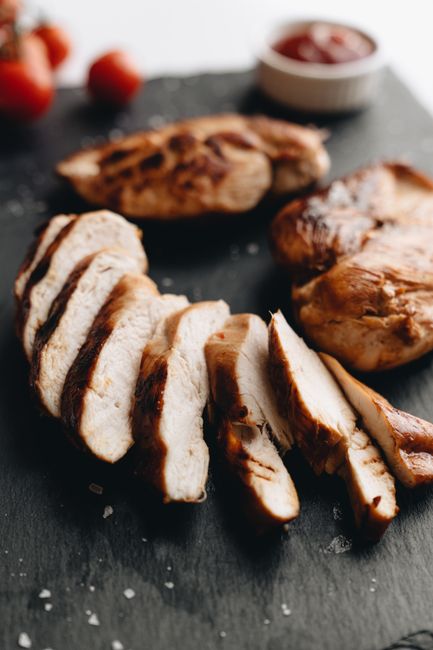
Pork tenderloin is done when the thickest part of the roast reads 145°F (63°C) on a quick-read thermometer — the USDA safe minimum for whole-muscle pork, which leaves the meat faintly pink and genuinely juicy. Pull at 142°F and let carryover heat carry it to 145°F during the 10-minute rest. The exterior should be deep golden brown all the way around, and the sliced medallions should show a thin ring of well-done meat around a juicy, slightly pink center. A blush of pink at 145°F is correct and safe.
Common mistakes
- Cooking past 145°F. The leanest cut on the pig has almost no margin past the USDA-safe minimum; pull at 142°F and let carryover heat finish the job during the 10-minute rest.
- Skipping the brine. Tenderloin has no intramuscular fat; a 30–60 minute brine adds the moisture buffer that separates a juicy roast from a dry one.
- Resting too briefly before slicing. A long, thin tenderloin sheds juice fast; carve only after a full 10-minute rest loosely tented so the moisture reabsorbs.
- Slicing with the grain. Long muscle fibers feel chewy; cut across the grain into ½-inch medallions so each bite is tender.
Serving Suggestions
Rest the tenderloin loosely tented for a full 10 minutes so the juices settle, then carve it against the grain into ½-inch medallions — enough to serve three or four. A fruit-based partner — applesauce, a cherry or mango salsa, or a balsamic reduction — plays beautifully against the lean pork. Round out the plate with a starchy side and a green vegetable for a complete weeknight dinner.
Pairs well with: Asparagus, Sweet Potato Fries
Times and temperatures verified against USDA FSIS safe minimum internal temperatures and manufacturer cooking charts (Ninja, Cosori, Instant Pot Vortex). Every air fryer runs slightly hot or cool — treat these as starting points and adjust ±2 minutes to taste.
Pork Tenderloin air fryer FAQ
Do I need to brine pork tenderloin before air frying?
Yes, if you have 30–60 minutes. Dissolve 2 tablespoons of kosher salt in 1 quart of cold water, soak the tenderloin, then rinse and pat dry. Tenderloin is the leanest cut on the pig and has almost no moisture buffer, so a brine is what separates a juicy roast from a dry one. If you skip the brine, dry-brine instead: salt heavily and leave the tenderloin uncovered in the fridge for 4–8 hours.
Why is my air fryer pork tenderloin dry?
Two causes. You cooked it past the USDA-safe 145°F — pull the moment the thickest part reads 145°F, because the lean meat has almost no margin past that. Or you skipped the rest: a hot tenderloin sliced immediately sends its juice straight onto the board. Rest a full 10 minutes loosely tented, and pull at 142°F so carryover heat finishes it to 145°F on the counter.
What temperature is pork tenderloin safe to eat?
145°F at the thickest part, the USDA safe minimum for whole-muscle pork. At 145°F the center is faintly pink and genuinely juicy, which is correct and safe — the old guideline of 160°F produced dry meat and is outdated. Pull the tenderloin at 142°F and let carryover heat carry it to 145°F during the 10-minute rest. A blush of pink is the sign of a properly cooked tenderloin.
How long should I rest pork tenderloin before slicing?
A full 10 minutes, loosely tented with foil. Tenderloin is long and thin, so it sheds heat quickly and the juices need that full window to redistribute back into the muscle fibers. Cutting earlier sends the moisture onto the cutting board and leaves the medallions dry. Ten minutes is longer than most cuts need, but the lean tenderloin rewards every minute of it with noticeably juicier slices.