How to Air Fry Eggplant Slices
Source: USDA food safety data + manufacturer guidelines
AirFryerCharts · Compiled & reviewed ·
Avoid these 3 mistakes
The difference between crispy and soggy
See the 3 mistakes →
Step-by-step
- Preheat the air fryer to 375°F for 3 minutes. A hot basket starts caramelizing the surfaces immediately — a cold start lets the eggplant slowly release its moisture and steam into a rubbery sheet.
- Cut 1 large eggplant into uniform ½-inch rounds. Uniform thickness is non-negotiable: thin slices char to dust while thick ones stay spongy and raw.
- Salt the slices generously on both sides and let them sit for 30 minutes. The salt draws out water and bitterness through osmosis; you will see beads of moisture on the surface.
- Pat the salted slices completely dry with a towel, then toss with 1 tablespoon of olive oil, ½ teaspoon of salt, and ½ teaspoon of garlic powder. Eggplant absorbs oil like a sponge, so measure carefully and toss to coat evenly rather than pouring.
- Arrange in a single layer with the slices barely touching. Overlapping traps steam and the slices steam instead of caramelize; work in two batches for a full eggplant.
- Air fry at 375°F for 12–15 minutes, flipping the slices once at the 8-minute mark. The flip browns the underside, which would otherwise sit pale against the mesh while the top caramelizes.
Air fryer eggplant solves the vegetable's biggest problem: eggplant is a sponge that absorbs oil and collapses into a greasy, soggy mess the moment you try to cook it in a pan. The air fryer, combined with a salt-and-dry prep step, pulls off what no stovetop method can — slices with a golden, slightly crisp exterior and a creamy, meltingly tender interior that holds its shape instead of dissolving into oil. Salting the cut slices for 30 minutes draws out both the excess water and the bitterness, and the forced convection then evaporates the surface moisture fast enough to let the flesh caramelize into a sweet, nutty depth. It is the eggplant dish that actually has texture.
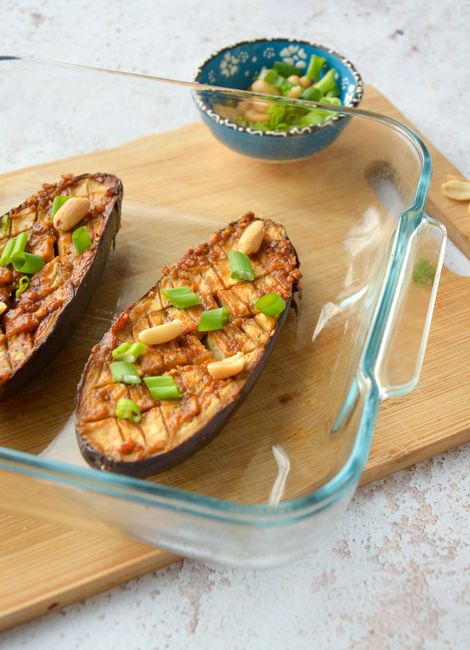
Why 375°F and 12–15 Minutes?
375°F (190°C) is the sweet spot for eggplant because the dense, spongy flesh needs moderate-high heat to cook through and caramelize without collapsing, and the natural sugars need to brown without scorching. At 400°F the surfaces scorch before the centers tenderize; at 350°F the slices slowly release their moisture and turn into a steamed, rubbery sheet without ever browning. The 12–15 minute window lets the flesh transform from spongy and raw to creamy and tender.
Pro tips
- Salt the sliced eggplant and let it sit 30 minutes, then pat dry — drawing out the water and bitterness prevents the soggy, collapsed result eggplant is famous for
- Cut uniform ½-inch rounds so they finish at the same time; thin slices char to dust while thick ones stay spongy
- Pat the salted slices bone-dry before oiling; surface moisture steams instead of crisps
- Toss with just 1 tablespoon of oil per pound — eggplant absorbs oil like a sponge, so measure carefully
- Flip the slices once at the 8-minute mark so both sides brown and caramelize evenly
How to Tell When It's Done
Eggplant slices are done when the surfaces are golden brown with darker caramelized patches, the flesh has collapsed from its spongy raw state into a creamy, yielding texture, and a fork pierces the center with no resistance. Unlike meat, there is no internal temperature to hit — this is a visual and tactile call. If the surfaces are black and the centers are still spongy, the heat was too high; if the slices are pale and rubbery, you overcrowded the basket or skipped the salt.
Common mistakes
- Skipping the salt step. Eggplant is full of water and bitterness; salting and drying first is what lets it caramelize instead of steaming into a soggy mess.
- Overcrowding the basket. Touching slices trap steam and steam instead of caramelize; use a single layer with gaps.
- Using too much oil. Eggplant absorbs oil like a sponge; measure carefully and toss to coat rather than pouring freely.
- Cranking the heat above 375°F. The surfaces scorch before the dense centers tenderize; 375°F is the sweet spot for even caramelization.
Serving Suggestions
Serve immediately while the slices are still golden and creamy — they soften and release oil as they sit. A drizzle of tahini sauce, a squeeze of lemon, or a sprinkle of fresh parsley and feta are the classic finishes that play off the sweetness. They pair naturally with grilled lamb or chicken, and the caramelized slices make a great base for a layered ratatouille or a Mediterranean spread.
Pairs well with: Bone-In Chicken Thighs, Sausage (links)
Times and temperatures verified against USDA FSIS safe minimum internal temperatures and manufacturer cooking charts (Ninja, Cosori, Instant Pot Vortex). Every air fryer runs slightly hot or cool — treat these as starting points and adjust ±2 minutes to taste.
Eggplant Slices air fryer FAQ
Do I need to salt eggplant before air frying?
Yes, for the best texture. Salting the cut slices and letting them sit 30 minutes draws out excess water and bitterness through osmosis — you will see beads of moisture on the surface. Pat that moisture away before cooking, and the eggplant will caramelize instead of steaming into a soggy mess. This one step is the difference between creamy, golden slices and a collapsed, rubbery sheet.
Why are my air fryer eggplant slices soggy?
Usually a skipped salt step or overcrowding. Without salting and drying, the high-water eggplant releases its moisture in the basket and steams instead of caramelizes. Overcrowding traps steam too; cook in a single layer with gaps. Also, eggplant absorbs oil like a sponge — measure the oil carefully rather than pouring, or the slices come out greasy instead of crisp.
Should I peel eggplant before air frying?
It is optional. The skin holds the slice together and adds a slight chew and color, but on large, mature eggplants it can be tough and bitter. For globe eggplants, peeling gives a softer, creamier result. For smaller Japanese or Italian eggplants, the skin is tender enough to leave on. Peel if the skin looks thick or dull, leave it on if it is shiny and thin.
Can I air fry frozen eggplant?
Not with good results. Frozen eggplant has already released much of its water through freezing and thawing, so it tends to come out mushy and waterlogged rather than creamy and golden. Fresh eggplant is far better for the air fryer. If you must use frozen, thaw it completely, squeeze out the excess water in a towel, then proceed with salting, drying, and cooking — expect a softer texture.