How to Air Fry Baked Potatoes
Source: USDA food safety data + manufacturer guidelines
AirFryerCharts · Compiled & reviewed ·
Avoid these 3 mistakes
The difference between crispy and soggy
See the 3 mistakes →
Step-by-step
- Preheat the air fryer to 400°F for 3 minutes. A hot basket starts crisping the skin immediately; a cold start lets the potato slowly sweat and the skin stays soft.
- Scrub 2 medium russet potatoes (8–10 ounces each) clean, then poke each one 6–8 times with a fork. The vents let steam escape during the long cook so the skin crisps and the potato does not burst.
- Rub each potato with ½ teaspoon of oil, then coat generously with kosher salt. The oiled, salted skin is what crisps into the crackling, seasoned jacket that is half the appeal of a baked potato.
- Place the potatoes directly on the basket, spaced apart so air can circulate around each. Do not wrap in foil — the trapped steam makes the skin soft and the flesh gummy.
- Air fry at 400°F for 40–45 minutes. There is no need to flip; the circulating hot air cooks the potato evenly from all sides.
- Check at 40 minutes by sliding a fork or skewer into the center — it should pierce to the middle with zero resistance. For the fluffiest result, confirm an internal temperature of 205°F with a thermometer.
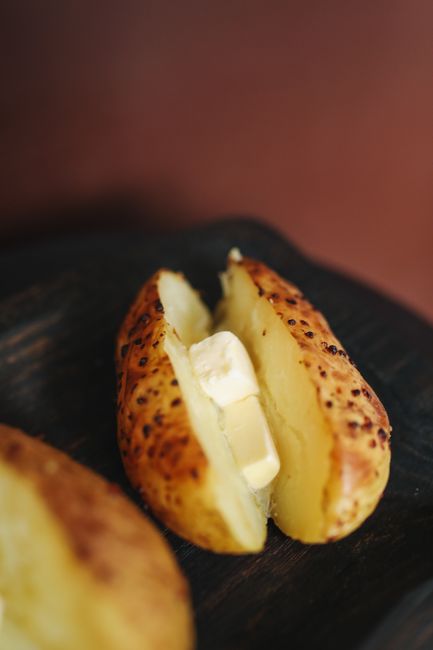
Air fryer baked potatoes deliver the one thing an oven cannot manage in under an hour: a potato with a thick, crackling, salt-crusted skin giving way to a dry, fluffy, snow-white interior that practically begs for butter. The circulating hot air does what the oven's still heat does, only faster and more aggressively — it dehydrates the skin into a crisp jacket while the dense flesh cooks through to that ideal 205°F where the starch gelatinizes into the lightest, fluffiest crumb. No foil wrapping (that traps steam and ruins the skin), no hour-long preheat. Forty-five minutes from a cold start gives you a steakhouse-quality baked potato with a skin you will actually want to eat.
Why 400°F and 40–45 Minutes?
400°F (200°C) is the target for baked potatoes because the dense russet flesh needs sustained, aggressive heat to cook through to the 205°F internal temperature where the starch fully gelatinizes into a fluffy crumb. At 375°F the skin stays soft and the flesh stays dense and waxy; the 400°F heat is what dehydrates the skin into a crackling shell in the same window the interior reaches perfect doneness. The 40–45 minute window covers a standard 8–10 ounce russet; larger baking potatoes need 50–55 minutes.
Pro tips
- Poke each potato 6–8 times with a fork before cooking — the vents let steam escape so the skin crisps and the potato does not explode
- Rub the skins with oil and a heavy hand of salt for a crackling, seasoned jacket that is half the appeal
- Check for doneness with a fork or thermometer, not the timer — a 2-inch russet needs the full 45 minutes, a small one is done at 35
- An internal temperature of 205°F is the magic number for the fluffiest, most tender crumb; below 200°F the starch stays dense
- Do not wrap in foil — the trapped steam makes the skin soft and the flesh gummy instead of fluffy
How to Tell When It's Done
A baked potato is done when the skin is taut, deeply wrinkled, and feels crisp when tapped, and the interior yields completely when a fork or skewer slides in with zero resistance. The gold standard is an internal temperature of 205°F (96°C) measured in the thickest part of the center — at this point the starch has fully gelatinized and the crumb will be at its fluffiest. Below 200°F the flesh stays dense and slightly waxy; if you do not have a thermometer, a fork should pierce to the center with no hard spot.
Common mistakes
- Wrapping the potatoes in foil. The trapped steam softens the skin and makes the flesh gummy; cook them unwrapped so the dry air can crisp the skin.
- Undercooking the center. The dense flesh needs 205°F internal to gelatinize into a fluffy crumb; check with a fork or thermometer, not the timer.
- Skipping the fork holes. Without vents, steam builds up and the potato can burst; poke each one 6–8 times before cooking.
- Using waxy potatoes. Red, yellow, or new potatoes stay dense and moist; only russets give the fluffy interior and crisp skin that a baked potato demands.
Serving Suggestions
Slice the potato open lengthwise, give it a squeeze from both ends to fluff up the interior, and load it up — butter, sour cream, shredded cheese, chives, and crumbled bacon are the classics. For a full meal, top it with chili, pulled pork, or broccoli and cheese sauce. The salted skin is the prize — eat it.
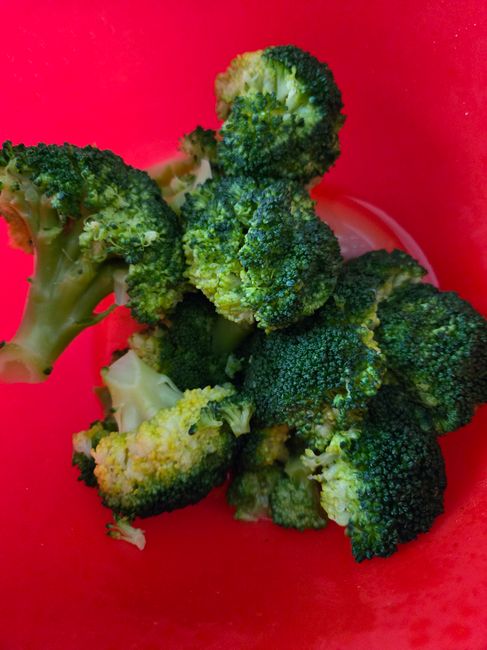
Pairs well with: Bacon, Broccoli Florets
Times and temperatures verified against USDA FSIS safe minimum internal temperatures and manufacturer cooking charts (Ninja, Cosori, Instant Pot Vortex). Every air fryer runs slightly hot or cool — treat these as starting points and adjust ±2 minutes to taste.
Baked Potatoes air fryer FAQ
Should I wrap baked potatoes in foil for the air fryer?
No. Foil traps the steam the potato releases, which softens the skin into a leathery jacket and makes the flesh gummy instead of fluffy. Cooking the potato unwrapped lets the dry circulating air dehydrate the skin into a crisp shell while the interior steams in its own moisture. If you love the skin, never use foil.
Why are my air fryer baked potatoes hard in the middle?
They were undercooked or cut too large. The dense russet flesh needs to reach 205°F internal for the starch to fully gelatinize into a fluffy crumb; below 200°F it stays dense and waxy. Check doneness with a fork or thermometer, not the timer — a large potato may need the full 45 minutes or more, while a small one is done at 35.
Do I need to poke holes in the potatoes?
Yes, 6–8 times with a fork. Without vents, the steam building up inside the sealed skin can cause the potato to burst or explode during the long cook. The punctures also let moisture escape, which helps the skin crisp and the flesh stay fluffy rather than waterlogged.
What is the best potato for air frying baked?
Russet potatoes, also called baking or Idaho potatoes. Their high starch content and low moisture give you the dry, fluffy crumb and thick, crisp skin that defines a great baked potato. Waxy varieties like red or Yukon gold stay dense and moist when baked and never achieve the same fluffy texture — save those for roasting or boiling.