How to Air Fry Frozen Chicken Wings
Source: USDA food safety data + manufacturer guidelines · USDA safe temp: 165°F
AirFryerCharts · Compiled & reviewed ·
Avoid these 3 mistakes
The difference between crispy and soggy
See the 3 mistakes →
Step-by-step
- Preheat the air fryer to 400°F for 3 minutes. A hot basket jump-starts the rendering; a cold start lets the wings steam in their own released moisture and the skin stays rubbery.
- Arrange the frozen wings in a single layer, skin side up, with space between each. Overlapping traps steam and the skin goes pale and flabby where they touch.
- Air fry at 400°F for 25 to 30 minutes. Around the 10-minute mark, open the basket — you will see pooled water; pat the wings dry with a paper towel to restart the crisping.
- Flip the wings at 15 minutes so both the skin side and the underside render and brown. Shake them again at the 20-minute mark for even exposure to the hot air.
- Check at 25 minutes — the skin should be tight, golden, and crackly, the meat pulling easily off the bone. For certainty, confirm 165°F in the thickest drumette.
- Toss in sauce only after cooking, right before serving. Crisp skin plus sauce is the goal; saucing early turns the crackling skin soft and soggy.
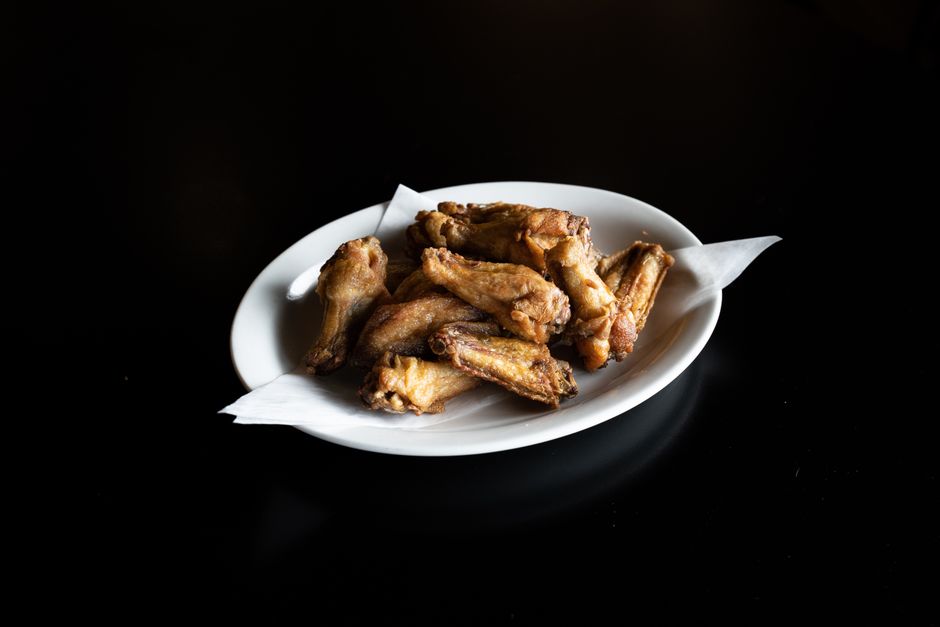
Frozen chicken wings are the air fryer's most dramatic transformation. Straight from the freezer they are pale, frosty, and slick with ice, and within 25 to 30 minutes they emerge with skin so tight and crackly it shatters like glass, surrounding juicy, fully rendered meat at a safe 165°F. The long cook time is the secret — wings are the one frozen food that benefits from a marathon, because the extended heat renders the fat under the skin and drives off the water they release in the first 10 minutes. No thawing, no boiling first, no deep-frying quart of oil. Pat them dry once midway, and you get bar-quality, shatter-crisp wings that beat the oven and rival the fryer.

Why 400°F and 25–30 Minutes?
400°F (200°C) sustained for 25 to 30 minutes is what renders frozen wings into crisp ones. The skin holds roughly 70% water by weight that releases in the first 10 minutes, so the early phase is really a controlled drying; only after that moisture cooks off does the fat under the skin render and the surface crisps. Dropping to 375°F stretches the time and leaves the skin rubbery; pushing to 425°F scorches the tips before the thick joints are safe at 165°F. The 400°F setting hits the rare balance of rendering fat and crisping skin while the meat cooks through to tender.
Pro tips
- Pat the wings dry at the 10-minute mark. They pool water as they thaw, and removing it lets the skin crisps
- Cook from frozen and go the full 25 to 30 minutes. The marathon render is what turns flabby skin into glass
- Keep wings in a single layer with gaps. Overlapping traps steam and the skin goes pale where they touch
- Sauce only at the very end. Tossing hot, crisp wings in Buffalo or barbecue coats them perfectly
- Confirm 165°F in the thickest drumettes. The skin can look done before the meat is safe
How to Tell When It's Done
Wings are done when the skin is tight, deeply golden, and audibly crackly when you tap it, and the meat at the thickest joint pulls easily off the bone with no pink and clear, not red, juices. For certainty, slide an instant-read thermometer into the thickest part of the drumette without touching bone — it should read 165°F. If the skin looks crisp but the meat still clings pink to the bone, give them 5 more minutes. The skin should feel like parchment, not rubber, when it is truly done.
Common mistakes
- Skipping the mid-cook pat-down. Frozen wings pool water in the first 10 minutes; leaving it there steams the skin rubbery instead of crisping it.
- Overcrowding the basket. Piled wings trap moisture and the skin goes pale and flabby; keep them in a single layer with gaps and work in batches.
- Saucing before or during cooking. Sauce is mostly moisture and sugar that softens the skin and burns; toss wings in sauce only at the very end.
- Trusting the timer over temperature. Color and 165°F internal are the real signals; thick drumettes can need the full 30 minutes even when the flats look done.
Serving Suggestions
Toss the wings in sauce the instant they leave the basket — Buffalo, barbecue, garlic-parmesan, or a Korean gochujang glaze all cling beautifully to crisp skin. Serve them with celery and carrot sticks and a bowl of blue cheese or ranch, alongside fries or onion rings for the full spread. Unsauced, they are excellent dipped in buffalo or eaten plain. Sauce them just before serving; sauced wings soften fast, so keep them naked until the last moment.
Pairs well with: Frozen French Fries, Frozen Onion Rings
Times and temperatures verified against USDA FSIS safe minimum internal temperatures and manufacturer cooking charts (Ninja, Cosori, Instant Pot Vortex). Every air fryer runs slightly hot or cool — treat these as starting points and adjust ±2 minutes to taste.
Frozen Chicken Wings air fryer FAQ
Do I need to thaw wings before air frying?
No, and you should not. Frozen wings go straight into the hot basket, and the long 400°F cook drives off the water they release in the first 10 minutes, then renders the fat and crisps the skin. Thawing first actually slows this down and can leave the skin rubbery — the marathon cook from frozen is what produces shatter-crisp skin.
Why are my air fryer wings not crispy?
Usually leftover surface water or overcrowding. Frozen wings shed a steady pool of liquid in the first 10 minutes; open the basket around then and pat them dry with a paper towel so the skin can crisps instead of steam. Also keep them in a single layer with gaps — piled wings trap moisture and the skin goes flabby.
How do I know the wings are cooked safely?
Check the thickest drumette with an instant-read thermometer, avoiding the bone — it should read 165°F. Visually, the meat should pull easily off the joint with no pink, and the juices should run clear, not red. The skin should feel tight and crackly like parchment; rubbery skin usually means the meat underneath needs more time too.
Should I sauce the wings before or after cooking?
Always after. Sauces are full of moisture and sugar that burn and turn the skin soft; tossing hot, crisp wings in sauce at the very end coats them perfectly while the crunch lasts. Sauced wings left to sit go soggy fast, so sauce them only in the moments before they hit the table.
More Frozen
 400°F
400°F
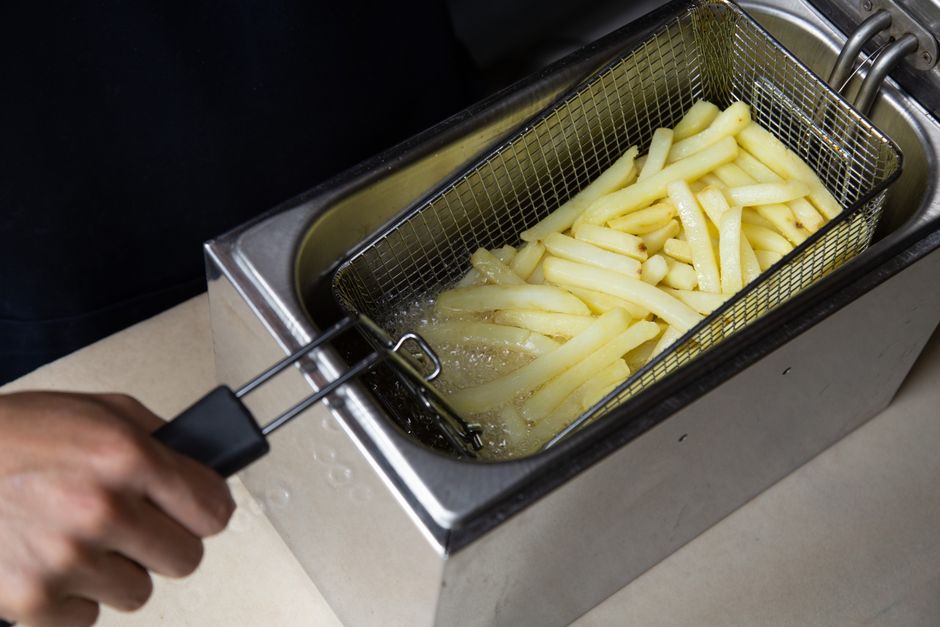
Frozen French Fries
No oil needed — they're pre-fried. The classic air-fryer win.
 400°F
400°F
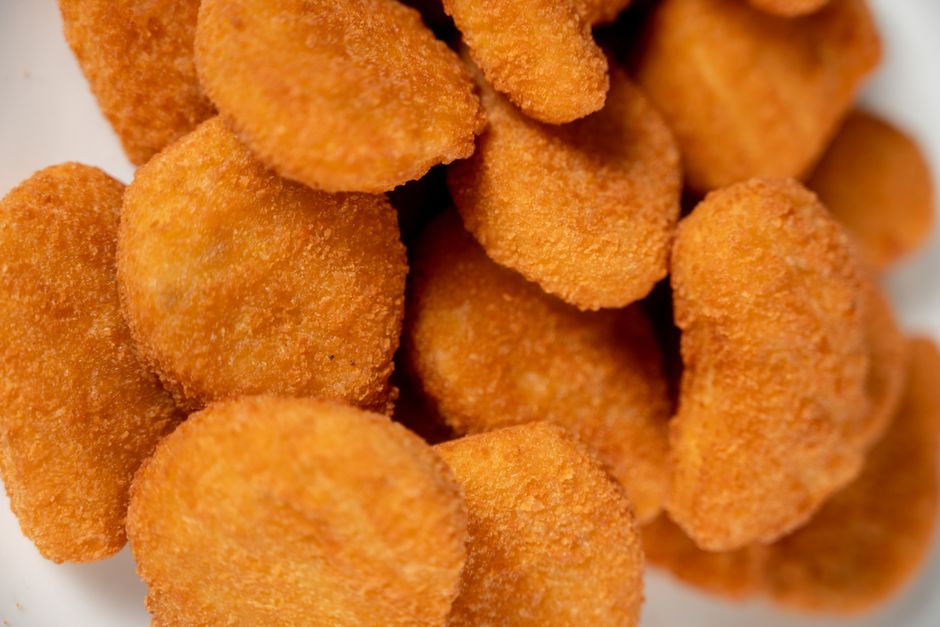
Frozen Chicken Nuggets
Better than oven — fast, even, crunchy. USDA: reheat ready-to-eat poultry to 165°F.
 380°F
380°F
Frozen Pizza Rolls
No more exploded rolls. The air fryer's greatest party trick.