How to Air Fry Frozen Spring Rolls
Source: USDA food safety data + manufacturer guidelines
AirFryerCharts · Compiled & reviewed ·
Avoid these 3 mistakes
The difference between crispy and soggy
See the 3 mistakes →
Step-by-step
- Preheat the air fryer to 390°F for 3 minutes. A hot basket crisps the thin wrapper instantly; a cold start lets the filling thaw and weep into the dough before it can blister.
- Arrange the frozen spring rolls in a single layer with space between each. Touching rolls fuse at the wrapper and the contact points stay pale and soft.
- Lightly mist the rolls with oil. The thin wrapper needs a film of oil to blister and brown evenly into that glassy, shatter-crisp surface; without it the dough dries pale.
- Air fry at 390°F for 10 to 12 minutes, flipping the rolls once at the 6-minute mark. That single flip crisps the underside, which otherwise stays pale against the basket.
- Check at 10 minutes — the wrapper should be deep gold and shatter-crisp, the filling steaming hot with no cold center. Pull now if the color is even.
- Rest the rolls 60 seconds before serving. The filling is hotter than the wrapper, and that pause cools it to a comfortable, snap-when-you-bite temperature.
Frozen spring rolls are the lighter, more delicate cousin of the egg roll, and the air fryer handles their thin, brittle wrapper better than any other method. Where deep frying soaks them in oil and the oven dries them brittle, forced hot air crisps the paper-thin wrapper into a glassy, shatter-crisp shell that fractures at the touch, while the vegetable or shrimp filling inside heats through and stays tender. The thinner wrapper browns faster than an egg roll's, so the cook is shorter and demands attention. No thawing, no oil, no greasy result — just 10 to 12 minutes from frozen to a crackling, delicate roll with a satisfying snap and a hot, savory center.

Why 390°F and 10–12 Minutes?
390°F (200°C) is the target for the thin spring roll wrapper. It needs high, dry heat to crisps the delicate dough before the moisture from the vegetable filling soaks through it, and 390°F achieves that in the 10 to 12 minute window. At 425°F the paper-thin wrapper scorches at the edges before the filling thaws; at 360°F the dough slowly dries and the filling weeps into it, leaving a leathery, pale shell. A light oil mist helps the surface blister and brown evenly, but the moderate-high heat is what turns the brittle wrapper glassy while the inside heats through.
Pro tips
- Mist the rolls with oil before cooking — the thin wrapper needs a film to blister into the glassy, shatter-crisp surface
- Flip once at the 6-minute mark. The top stays pale while the underside crisps
- Check at 10 minutes, a minute before egg rolls. The thinner wrapper scorches sooner
- Cook straight from frozen. Thawing softens the wrapper and releases filling moisture
- Leave space between rolls. Crowding fuses the wrappers and traps steam
How to Tell When It's Done
Spring rolls are done when the wrapper is an even, deep golden brown and shatter-crisp — tap it and it should crack like glass — and the filling inside is steaming hot all the way through with no cold center. The surface should look blistered and slightly bubbled, not flat and pale. Bite one and the shell should fracture cleanly, revealing a hot, tender interior. If the wrapper is golden but the filling is still cool, the basket was overloaded; give them 2 more minutes. Dark brown edges mean pull a minute sooner next time.
Common mistakes
- Skipping the oil mist. The thin wrapper needs a film of oil to blister into the glassy, shatter-crisp surface; without it the dough dries pale and leathery.
- Overcrowding the basket. Touching rolls fuse at the wrapper and trap steam, leaving pale, soft patches; keep them in a single layer with gaps.
- Cooking too long. The thin wrapper scorches at the edges fast; check at 10 minutes and pull the moment the color is even and deep gold.
- Thawing the rolls first. Thawing softens the wrapper and releases filling moisture that turns the dough flabby; cook straight from frozen.
Serving Suggestions
Let them rest a minute before biting — the filling is hot. Sweet chili sauce is the natural dip, but plum sauce, hoisin-peanut, or a spicy soy-ginger all work. Slice them on the diagonal for a platter, or serve alongside pad thai, stir-fried noodles, or a soup for a full meal. They pair well with other Asian appetizers like potstickers or wings. Eat them immediately; the delicate wrapper loses its shatter within minutes as the filling releases steam and softens the shell.
Pairs well with: Chicken Wings, Frozen Egg Rolls
Times and temperatures verified against USDA FSIS safe minimum internal temperatures and manufacturer cooking charts (Ninja, Cosori, Instant Pot Vortex). Every air fryer runs slightly hot or cool — treat these as starting points and adjust ±2 minutes to taste.
Frozen Spring Rolls air fryer FAQ
Do I need to spray spring rolls with oil?
Yes, a single light mist helps a lot. The thin wrapper needs a film of oil to blister and brown into that glassy, shatter-crisp surface; without it the dough dries pale and leathery. One quick spray before cooking, and another at the flip if the surface looks dry, is plenty — do not soak them, or they go greasy.
Should I thaw spring rolls before air frying?
No, cook them straight from frozen. Thawing softens the delicate wrapper and releases moisture from the filling, which soaks the dough and turns it flabby. Frozen rolls hit the hot basket, the wrapper blisters and crisps, and the filling heats through as the crust sets — that sequence only works starting from frozen.
What is the difference between spring rolls and egg rolls in the air fryer?
Spring rolls have a thinner, more brittle wrapper and cook slightly faster; egg rolls have a thicker wheat wrapper that blisters into a heavier crunch. Both run at 390°F, but check spring rolls a minute earlier since the thin wrapper scorches sooner. Mist both with oil and flip once at the midpoint.
Why are my spring rolls not crispy?
Usually a skipped oil mist, overcrowding, or a cold basket. The thin wrapper needs oil to blister; without it the dough dries pale and soft. A single layer with gaps prevents trapped steam, and a 3-minute preheat crisps the wrapper the instant it lands. If they come out leathery, mist and give them 2 more minutes.
More Frozen
 400°F
400°F
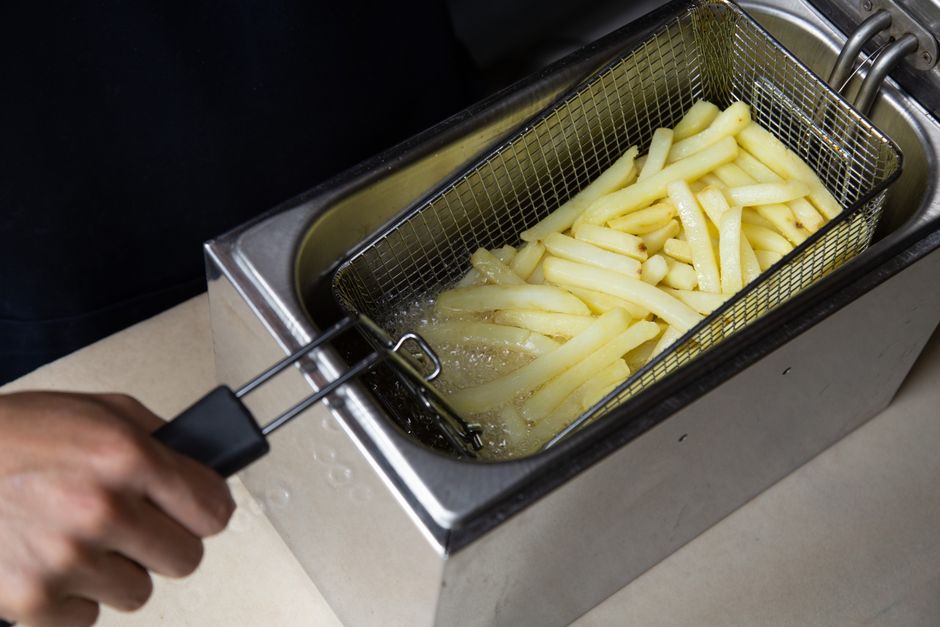
Frozen French Fries
No oil needed — they're pre-fried. The classic air-fryer win.
 400°F
400°F
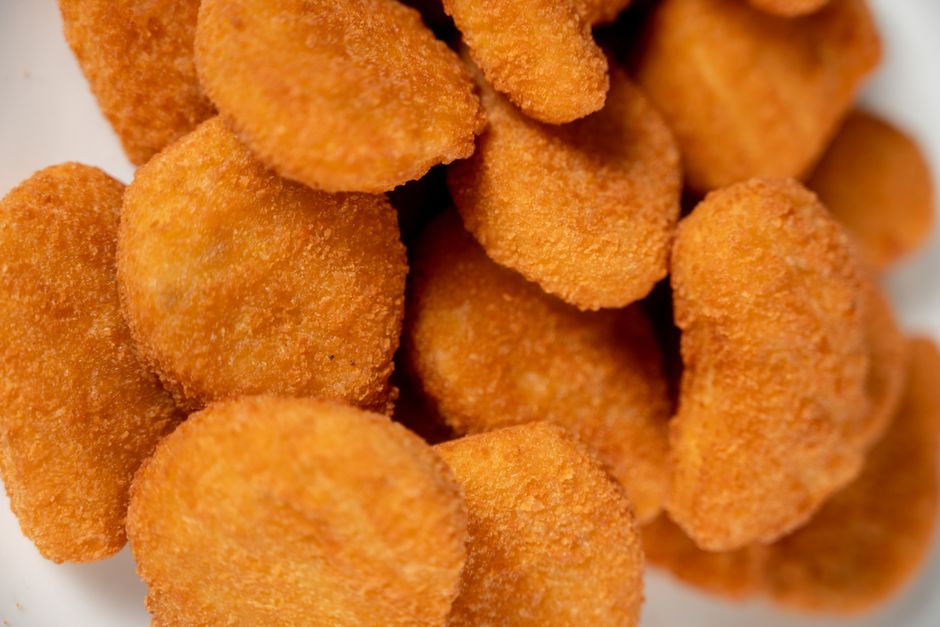
Frozen Chicken Nuggets
Better than oven — fast, even, crunchy. USDA: reheat ready-to-eat poultry to 165°F.
 380°F
380°F
Frozen Pizza Rolls
No more exploded rolls. The air fryer's greatest party trick.